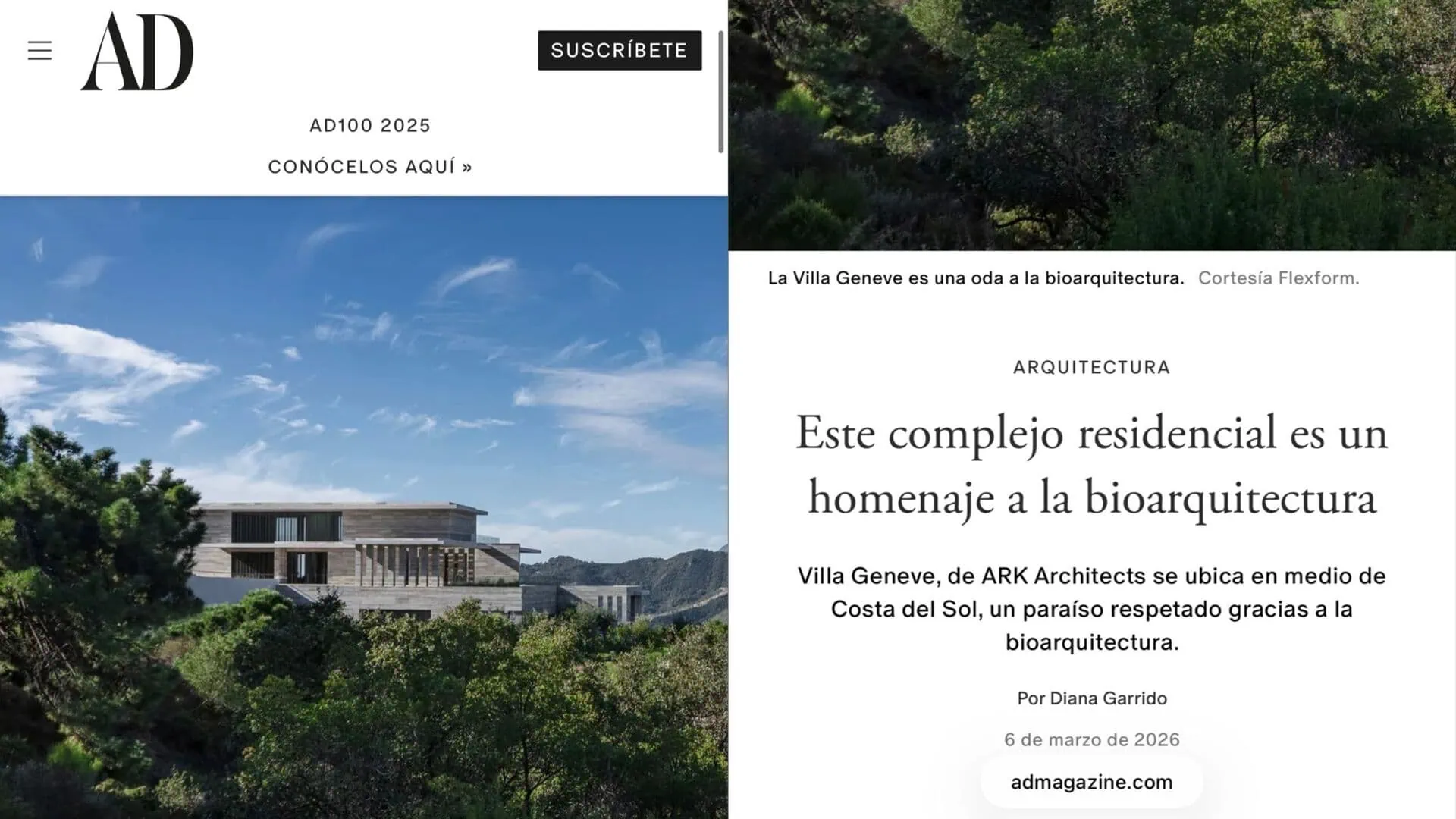
The renowned international publication Architectural Digest (AD Magazine), in its Mexico edition, has recently featured Villa Geneve, one of the residential projects developed by ARK Architects in the exclusive community of La Zagaleta on the Costa del Sol.
In the article, the magazine highlights how this residence, designed by Manuel Ruiz Moriche —creative director and co-founder of the studio— was conceived following the principles of bio-architecture, creating a meaningful connection between human beings, architecture and the natural environment.
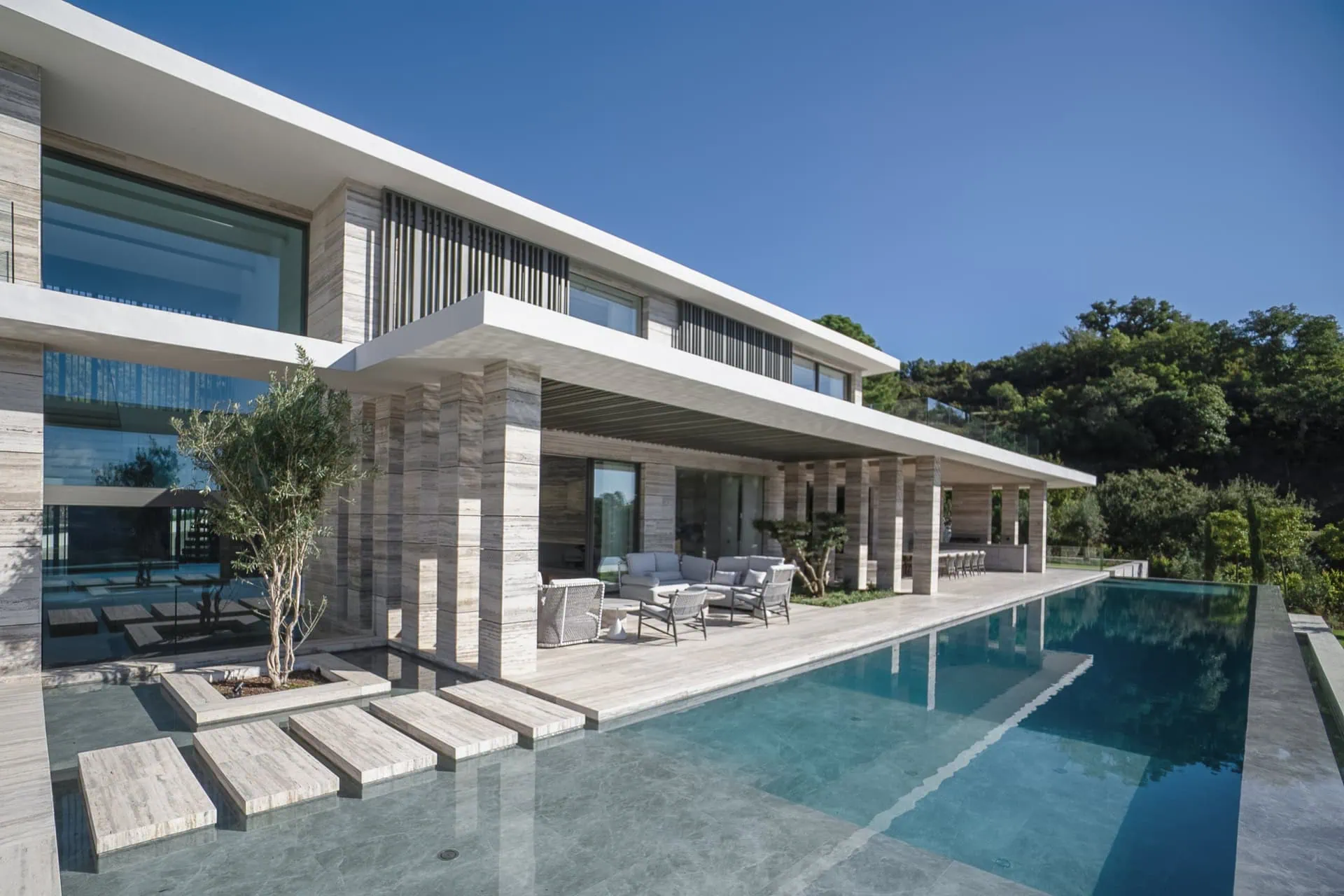
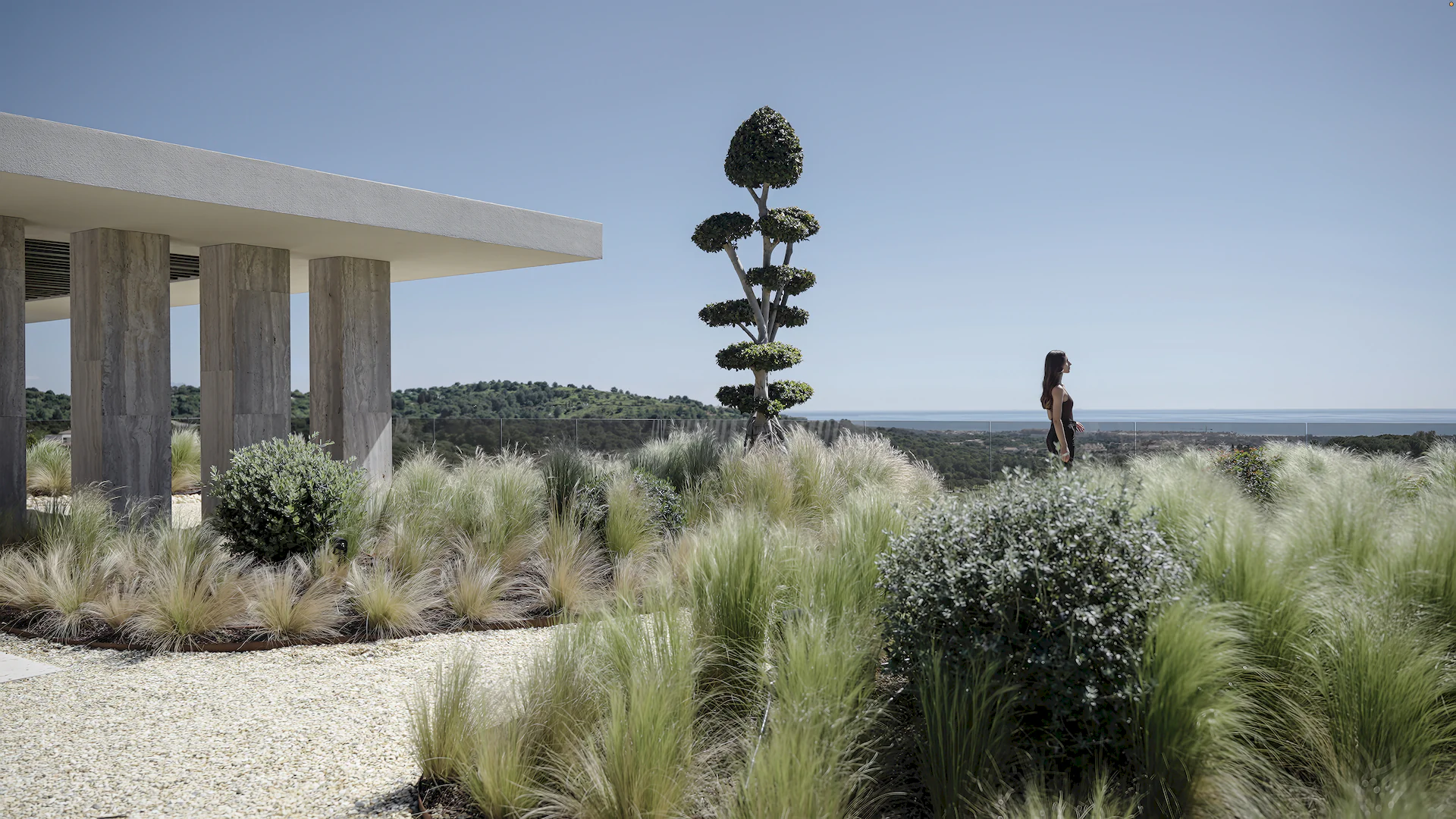
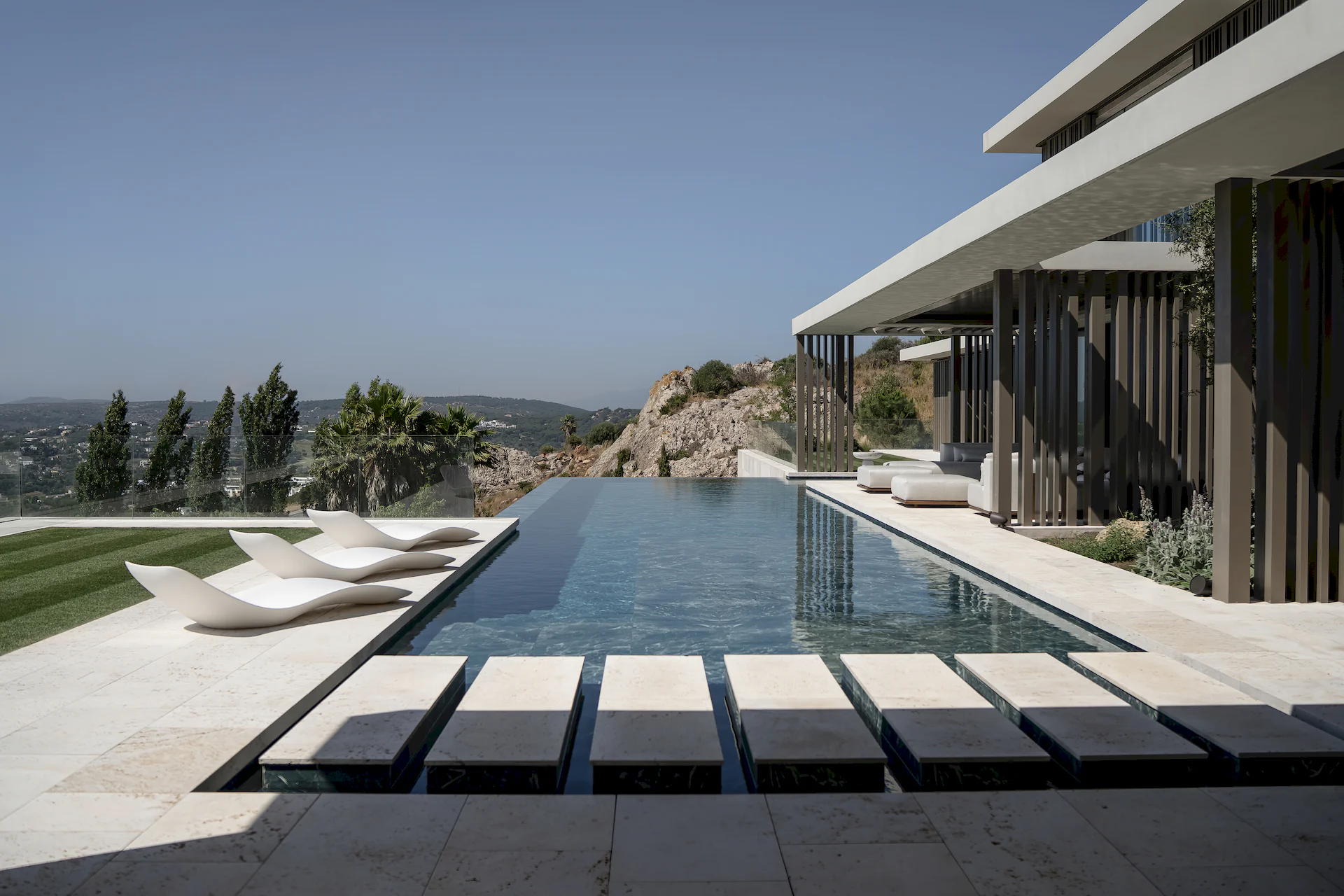
Located in the hills of Benahavís and surrounded by the landscape of the Mediterranean Sea, Villa Geneve is envisioned as an architectural retreat where the surrounding nature becomes an essential part of the living experience. As highlighted in the article, the design respects the site’s topography while enhancing the views and strengthening the relationship between indoor and outdoor spaces.
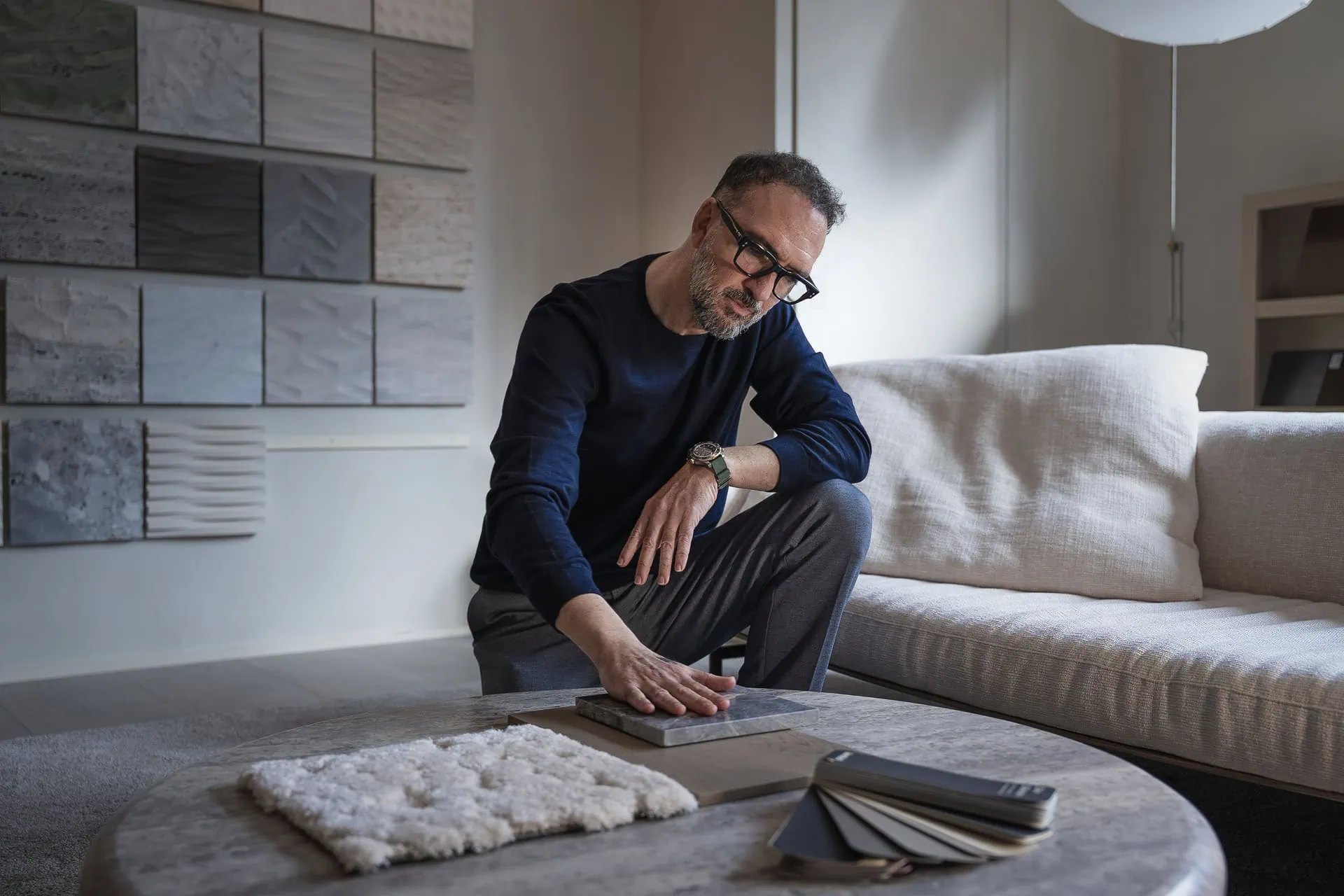
In line with the design philosophy of ARK Architects, the project embraces natural materials and sustainable solutions, including stone, treated wood and mineral lime-based paints. Materials such as Travertino Romano Silver for the exterior cladding and Botticino stone for interior finishes contribute to the home’s timeless and natural aesthetic.
Architectural Digest also emphasizes the importance of natural light as a key architectural element. Distributed across three levels, the villa features large windows and open spaces that allow light to flow through the interior, reinforcing the connection with the surrounding landscape.
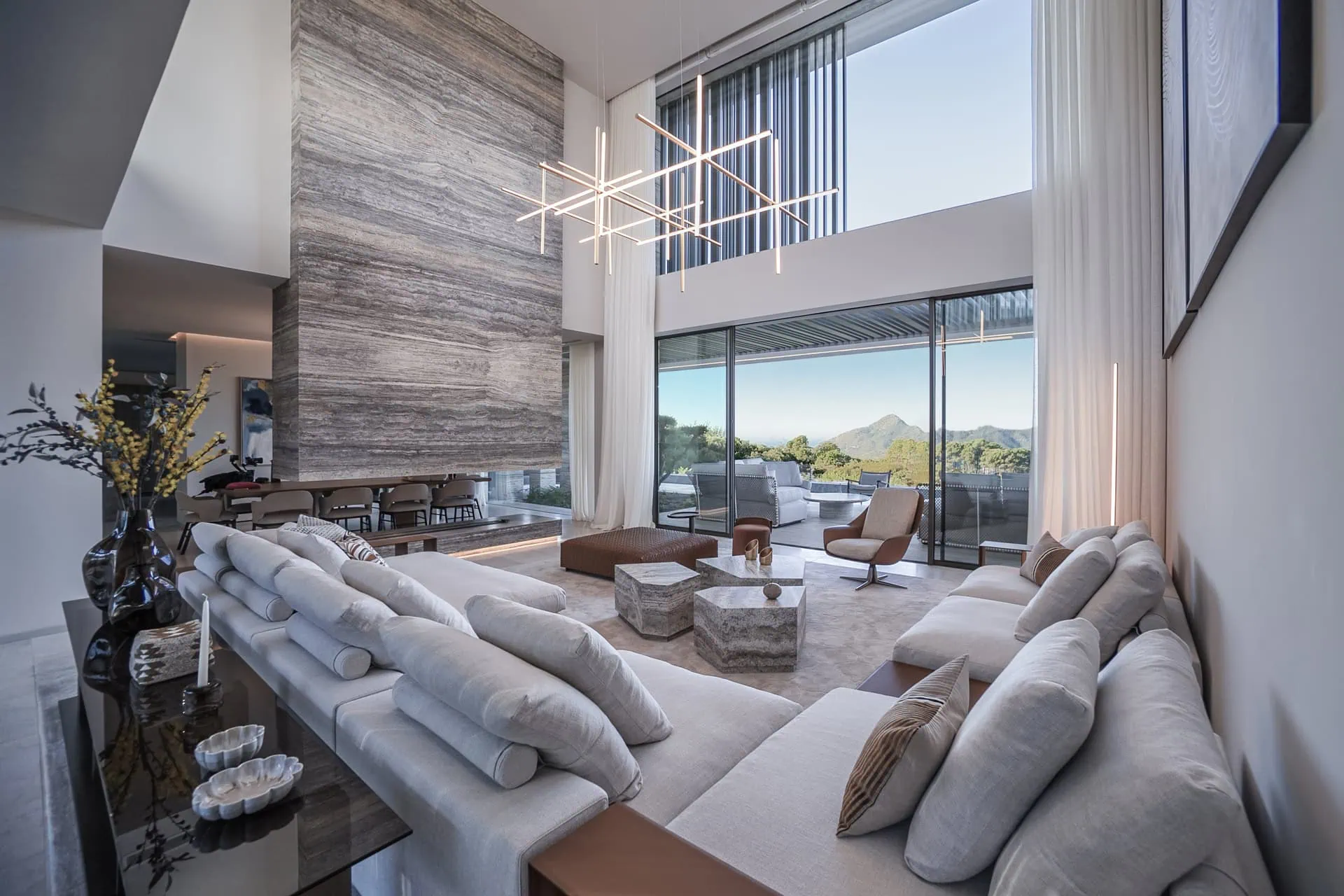
The publication also highlights the interior design, where furniture from the Italian brand Flexform plays an important role in shaping the living spaces. The selection of pieces complements the architecture with a refined, timeless aesthetic that enhances the atmosphere of comfort and elegance throughout the residence.
The result is an architectural composition where interior and exterior blend seamlessly, creating spaces designed not only for living, but for experiencing the environment and enjoying a lifestyle deeply connected to nature.
To read the full article published by Architectural Digest, you can access it through the following link.