
What “Turnkey” Really Means in a Luxury Residence
In the residential sector, the term “turnkey” is used often, but it doesn’t always mean the same thing. Sometimes it simply describes a finished home. Other times, it refers to a construction package with certain finishes included.
For ARK Architects, a turnkey residence represents something far deeper: a complete process, guided by a single vision and carried out by a single team, from the first idea to the moment the owner walks through the door.
This includes architecture, construction, interior design, landscaping, lighting, material selection, furniture, and the coordination of every specialist involved in the project.
It isn’t just about delivering a finished home. It’s about preserving the coherence of the project throughout its entire development.
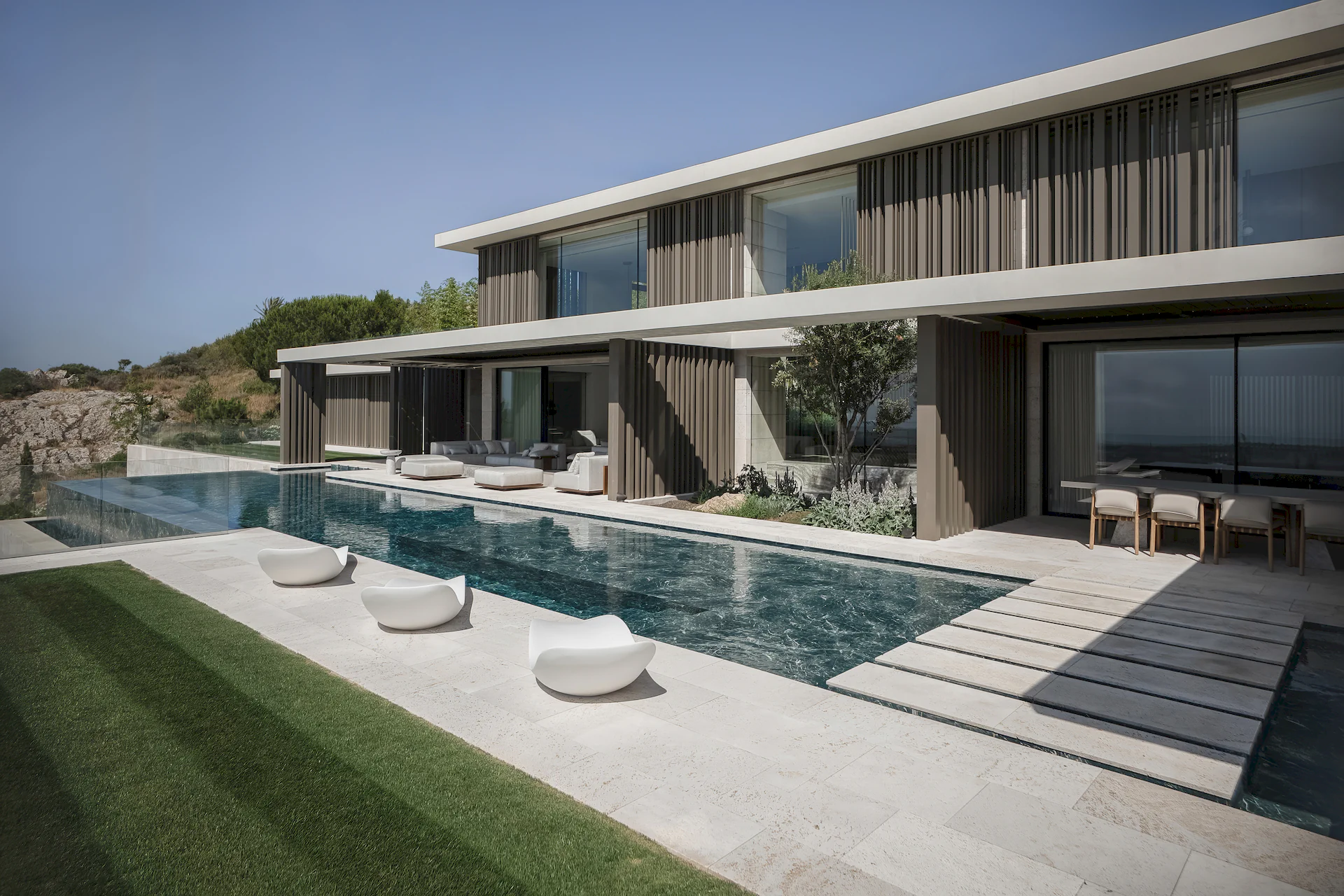
A Single Vision
An exceptional residence should never be the sum of independent decisions.
Architecture determines how light enters, how the house is experienced, and how its spaces relate to the landscape. Interior design defines its atmosphere and human scale. Materials provide identity and permanence. Landscaping establishes the relationship with the surroundings. Lighting transforms the
perception of every room. Furniture completes how the home will be lived in.
When these disciplines are handled by disconnected teams, the result can lose part of its original intent. Inconsistencies appear, along with technical incompatibilities, duplication, delays, and decisions that respond to partial needs rather than the residence as a whole.
An integrated model allows every decision to belong to the same composition.
A Single Point of Responsibility
The main value of a turnkey service isn’t just convenience. It’s accountability.
In a fragmented model, the client has to deal with architects, interior designers, builders, landscapers, engineers, suppliers, installers and furniture companies. When a problem arises, it isn’t always easy to determine who should solve it.
ARK reduces that complexity through coordinated project direction. The client has one main point of contact and one team that has known the home since its inception.
Architecture doesn’t end when construction begins. Construction doesn’t happen separately from interior design. Furniture isn’t selected once everything else has already been decided. Each phase anticipates the needs of the next.
This allows decisions to be made with more information, potential incompatibilities to be caught before they reach the construction site, and the identity of the project to be preserved through to delivery.
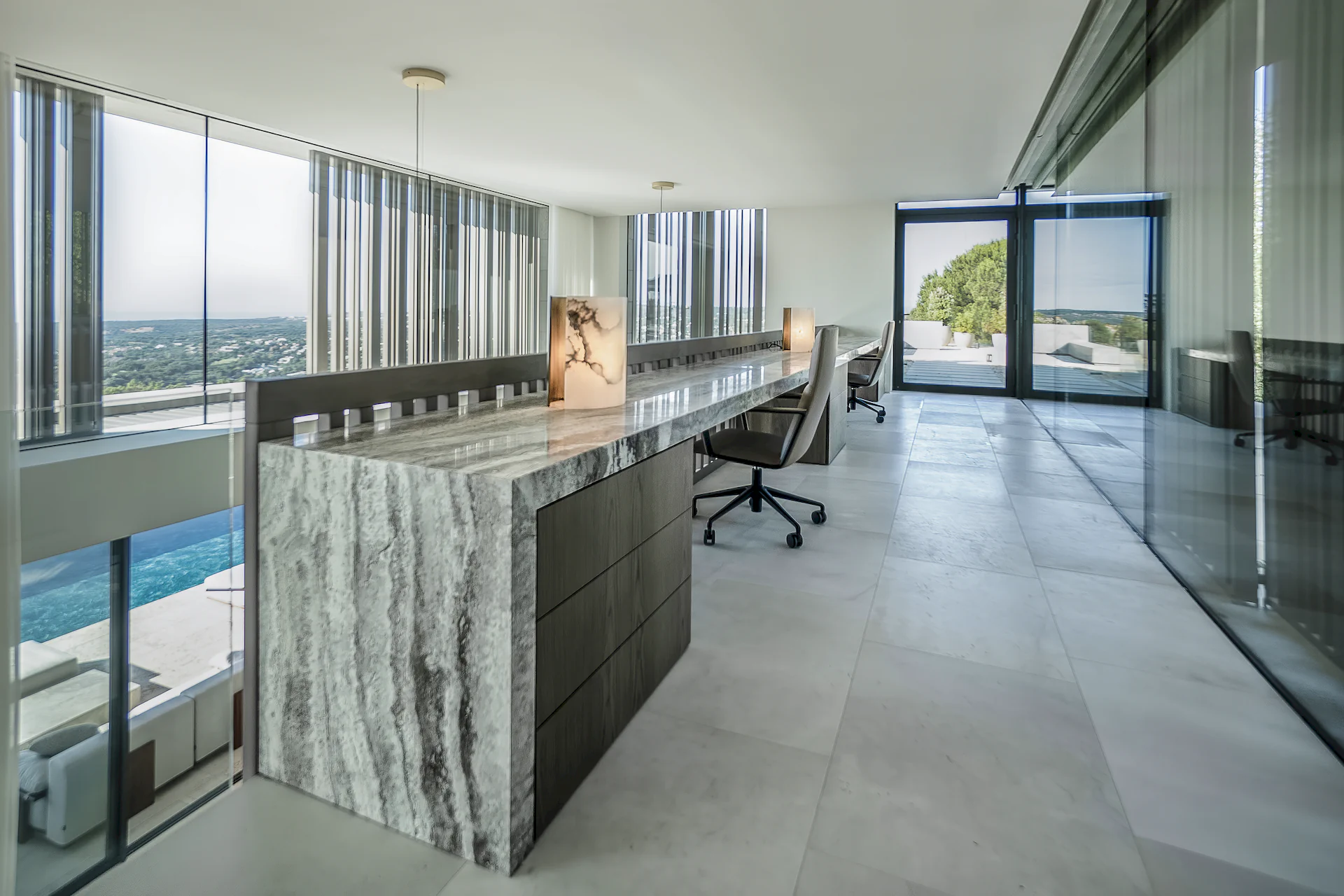
Designing With Construction Knowledge
ARK Architects doesn’t just design residences — it also builds them.
This makes a fundamental difference. From the earliest stages, architectural decisions can be evaluated with their execution, complexity, cost, maintenance and durability in mind.
The design isn’t developed as an abstract idea that another team must later interpret. It’s conceived with real knowledge of how it will need to be built.
This connection between design and construction allows for better control over the transition from concept to technical project to construction site. It also helps reduce late-stage changes, improvisation, and solutions that could compromise final quality.
This doesn’t mean a project of this complexity is free of decisions or adjustments. It means there is a structure capable of anticipating, coordinating and resolving them without losing sight of the overall vision.
Interior Design and Furniture From the Start
In a luxury residence, interior design shouldn’t be a decorative layer added at the end of the project.
The proportions of a room, the placement of a work of art, the height of a light fixture, the integration of a piece of furniture, the meeting point between two materials, or how installations are concealed can directly affect the architecture.
That’s why ARK develops interior design and furniture as part of the home’s original conception.
Every element is selected or designed to belong to the space. Woodwork, stone, fabrics, lighting, bespoke pieces and furniture engage in dialogue with the architecture and with the owner’s personality.
The goal isn’t to fill a house — it’s to create a complete, coherent atmosphere.
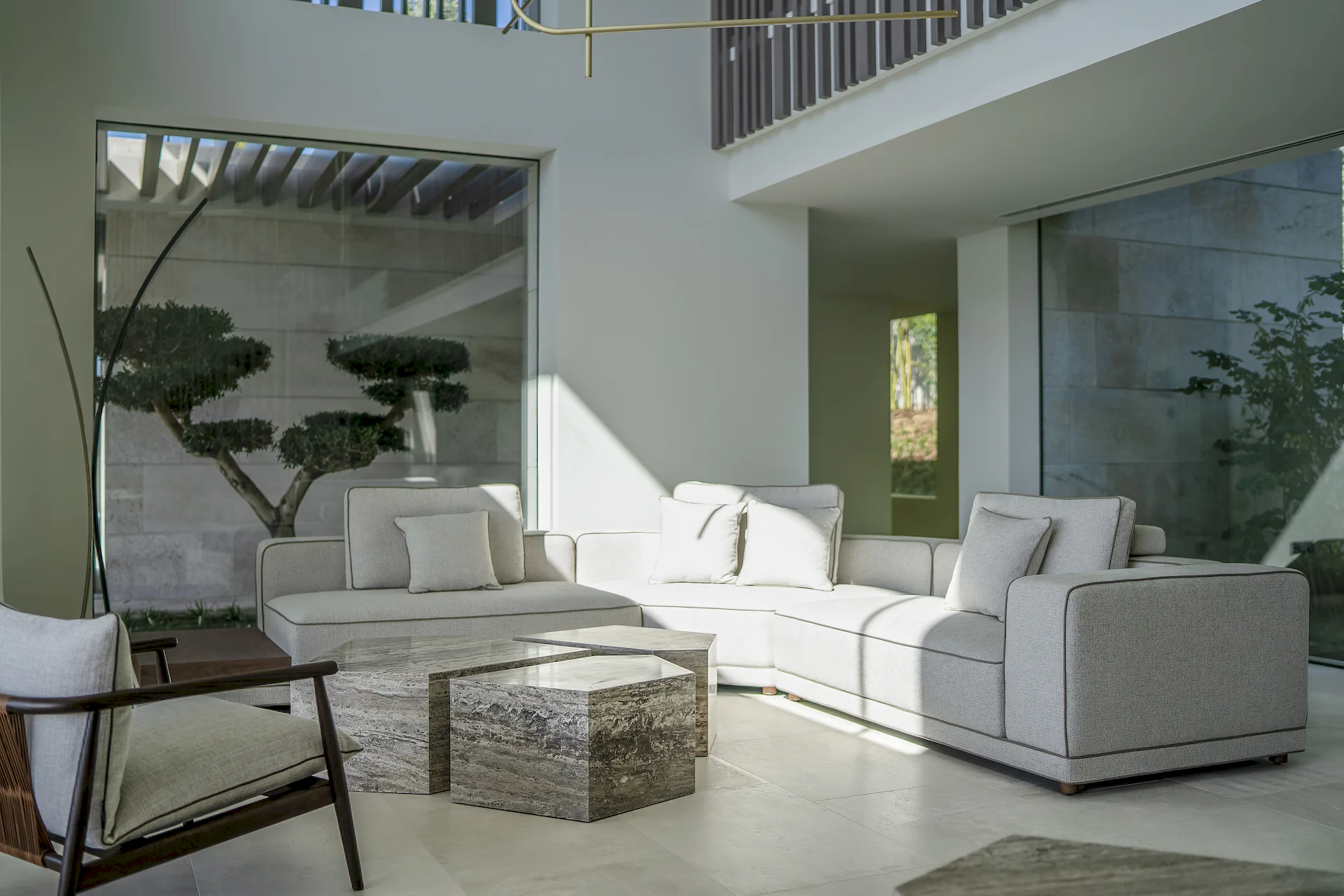
A Residence Ready to Be Lived In
True turnkey delivery happens when the home is ready to welcome its owners.
It isn’t enough for construction to be finished. The interiors, lighting, landscaping and furniture must all work together as one. The house must have moved from being a project to becoming a livable place.
This level of integration is especially important for international clients, owners of multiple residences, or families who cannot personally oversee every decision. The client’s role doesn’t disappear — it becomes clearer: deciding how they want to live, while a specialised team turns that vision into a built reality.
Less Complexity, Greater Control
A full-service model doesn’t eliminate the complexity inherent to a large residence. It concentrates it under a structure capable of managing it. For the client, this means:
• One main point of contact.
• Greater continuity between design and execution.
• Better coordination between architecture, interiors and landscape.
• Lower risk of incompatibilities between suppliers.
• Greater clarity on decisions, responsibilities and project progress.
• Protection of the architectural identity throughout construction.
• A coherent final delivery, ready to be lived in.
In this sense, “turnkey” doesn’t just describe how a project ends. It describes how it is protected throughout its entire development.
A Clear Argument for the Broker
For a broker, recommending a full-service provider means offering the client something more than an
architecture firm.
It means presenting a team capable of guiding them from the evaluation of a plot or property to the delivery of a fully completed residence.
The broker doesn’t need to explain every technical aspect of the process. The core argument is simple:
With ARK, the client doesn’t have to separately coordinate the architect, the builder, the interior designer, the landscaper and the furniture suppliers. A single team takes on the vision and the overall responsibility for the project.
This structure reduces the client’s uncertainty, makes decision-making easier, and also protects the trust
placed in the broker who made the recommendation.
Because in an exceptional residence, true luxury doesn’t lie only in the final result. It also lies in the peace of
mind of knowing the entire process is in the hands of a team that understands the house as a single work.