By Manuel Ruiz Moriche, Co-founder and Creative Director of ARK Architects
We live in an age when technology can imagine almost anything. In a matter of seconds, we can generate images of buildings that have never existed, explore extraordinary geometries or visualise spaces that, until recently, could only take shape in an architect’s mind.
Artificial intelligence is transforming our profession at a pace that is difficult to comprehend. And I am convinced that we are only beginning to discover a small part of its true potential.
Yet the more I observe this revolution, the more I find myself drawn to a question that seems to point in the opposite direction: what if the greatest achievement of artificial intelligence were to help us rediscover the value of artisanal intelligence?
I am not suggesting that we return to the past or turn our backs on progress. I am suggesting that the future of architecture cannot depend solely on our ability to produce more images, design faster or construct increasingly complex buildings.
Real progress should be measured differently: by our ability to create spaces that improve people’s lives, respect their surroundings and retain their value over time. Because architecture, before it is a technological endeavour, is a profoundly human one.
When Everything Can Be Created, What Truly Matters Is What Cannot Be Replicated
Artificial intelligence is taking speed and production capacity to an entirely new level. But this abundance presents a paradox.
If everyone has access to tools capable of generating extraordinary images, what will make a work of architecture truly exceptional?
I believe the answer will lie less and less in visual spectacle, and increasingly in authentic identity.
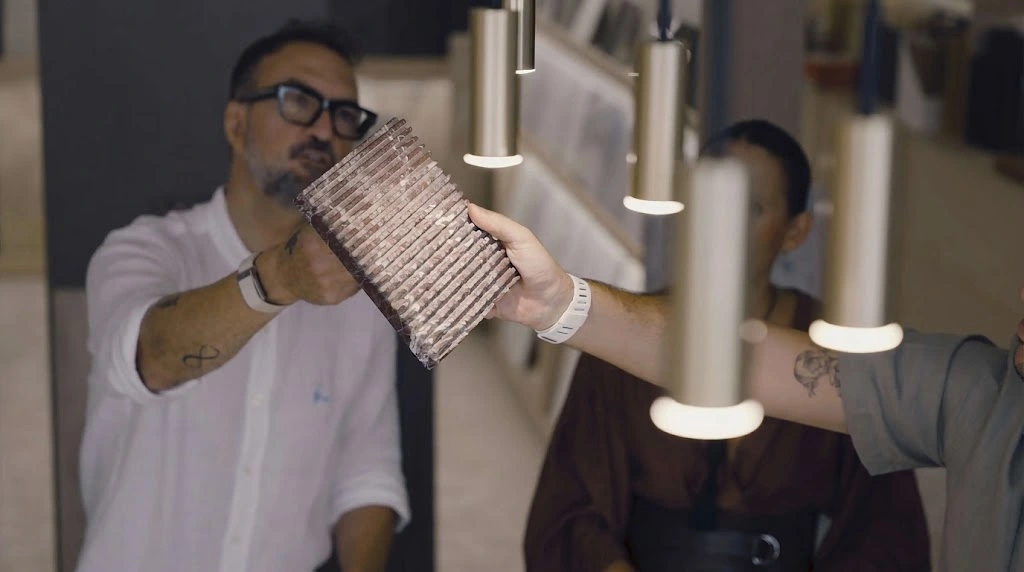
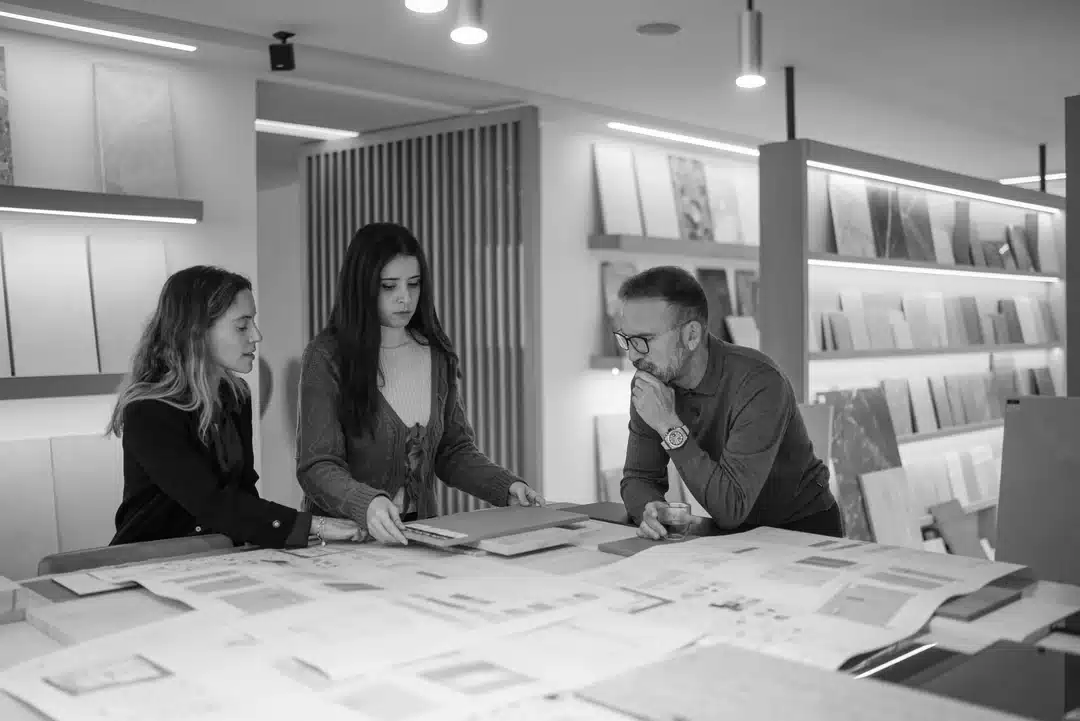
A piece of natural stone selected for its veining. A piece of timber shaped by skilled hands. A texture that changes with the daylight. A construction detail born from knowledge accumulated over generations.
These are the decisions that determine how we experience a space. Technology can simulate a texture or accurately represent the way light falls on a surface. But there is an essential difference between representing something and understanding it.
A craftsperson knows a material through a direct, physical relationship with it. They know how it behaves, how it ages, what it can do and where its limits lie. Their knowledge comes not only from instructions, but from experience, observation and time.
Artisanal intelligence is precisely this ability to transform knowledge into sensitivity, and sensitivity into something tangible. I believe it will become one of the defining values of architecture in the future.
The New Luxury Is Not About Having More, but Living Better
In recent years, I have observed an interesting shift in how international clients think about their homes. For a long time, luxury residential architecture was associated with exceptional scale, expensive materials and features designed to impress.
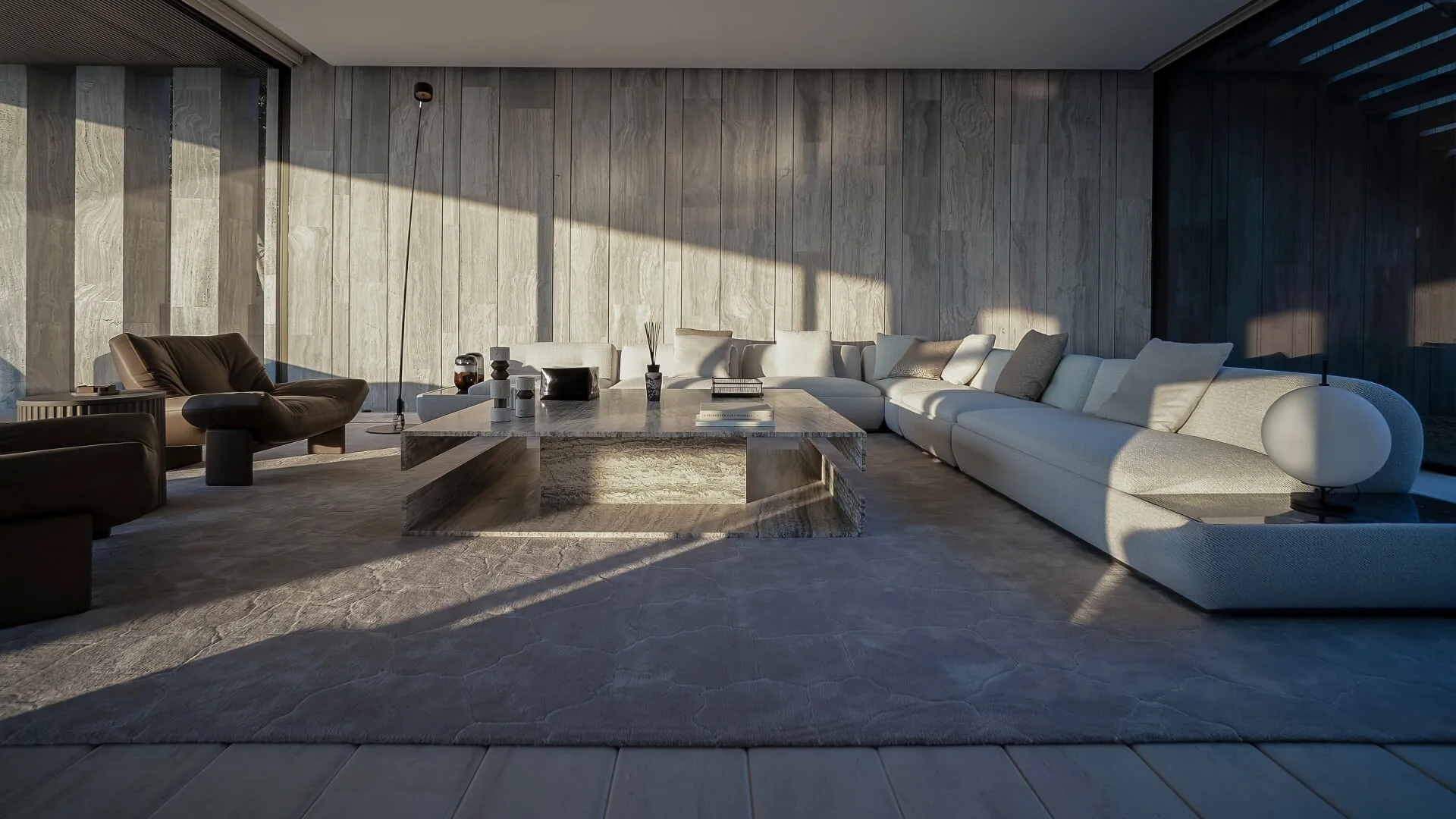
Today, without diminishing the desire for excellence, many conversations begin differently. We talk about privacy, tranquillity, natural light, health, time and the possibility of living a more balanced life.
We talk about spaces in which to spend time with family, truly unwind and feel connected to nature. Above all, we talk about creating a home that reflects the identity of those who will live in it.
True luxury begins when a house stops feeling like an extraordinary product and starts feeling like a deeply personal place.
At ARK Architects, we approach this aspiration through our philosophy of biohumanist architecture. Before considering the form of a building, we seek to understand the people who will inhabit it: their habits, aspirations, relationship with nature and perception of time.
It is not simply about designing a residence for the present, but imagining how it can accompany its inhabitants over the coming decades. This is also how we understand architecture for longevity.
An exceptional home should continue to improve our lives twenty or thirty years from now. Achieving that requires us to listen, interpret and understand.
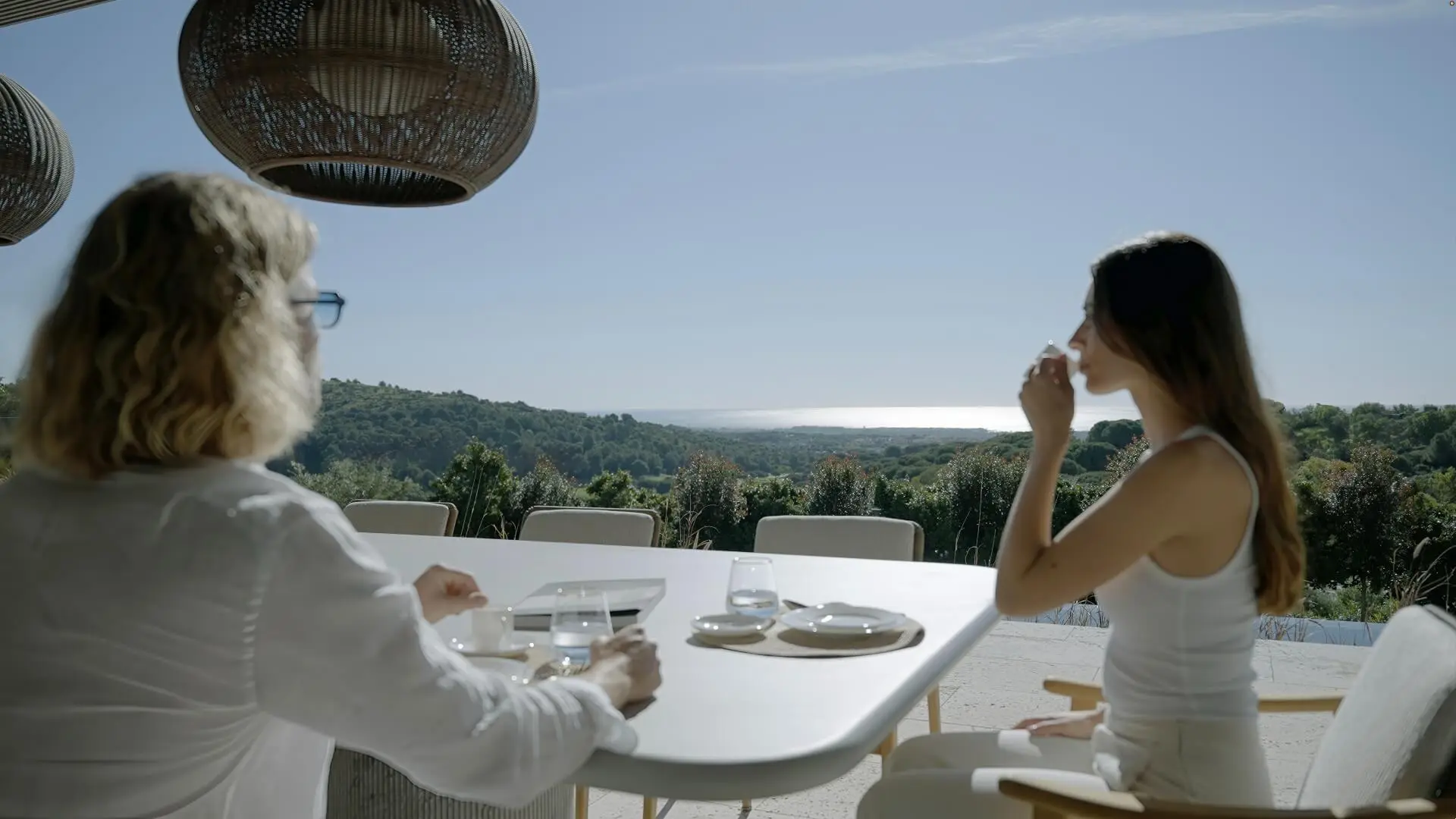
Artificial Intelligence Should Give Us Back Time to Think
One of the aspects of artificial intelligence that interests me most is its potential to help us spend less time on certain tasks and more time on the decisions that truly matter.
In architecture, the possibilities are immense. Advanced tools can help us study building orientation, analyse a home’s energy performance, explore geometries, compare alternatives or anticipate certain construction challenges. We can investigate more deeply and make better-informed decisions.
But there is something I consider fundamental: we must not confuse the speed of production with the quality of thought. Designing faster does not necessarily mean designing better.
Architecture demands that we observe a place, understand its history, study the sun and discover what makes each site unique.
Sometimes the most important decision in a project is made not in front of a screen, but while walking across a plot, observing a tree or noticing how the light changes throughout the day.
I have always believed that whenever we intervene in a place, we should ask ourselves what we can give back to nature in return for allowing us to build there. No algorithm should replace that responsibility.
If artificial intelligence can free us from certain tasks so that we have more time to observe, think, create and care for the details, then we will be using it well. Not to make architecture more artificial, but to make it more considered.
From a Digital Idea to the Emotion of Materiality
There is a moment in the architectural process that I consider particularly important: when an idea ceases to be a representation and begins to become reality.
When the stone arrives on site. When the timber is worked. When a surface takes on its final texture. When light begins to move through spaces that once existed only in our imagination. This is when architecture reveals its true quality.
At ARK Architects, one of our distinguishing characteristics is that we bring architecture, construction, interior design and landscape design together within a single vision. For us, construction is not simply the execution of a previously designed idea. It is part of the creative process.
A small decision can transform a space: the junction between two materials, the thickness of a stone element, the depth of a shadow or the transition from the interior to the garden.
These are details that require knowledge, craftsmanship and sensitivity.
I am interested in imagining a future in which artificial intelligence allows us to study the behaviour of light on a surface with greater precision, while a craftsperson interprets that knowledge to achieve a result that no digital image could have fully anticipated.
This is where I see the true potential of this revolution. Artificial intelligence can expand our imagination. Artisanal intelligence can turn that imagination into emotion. Neither should replace the other; they should enrich one another.
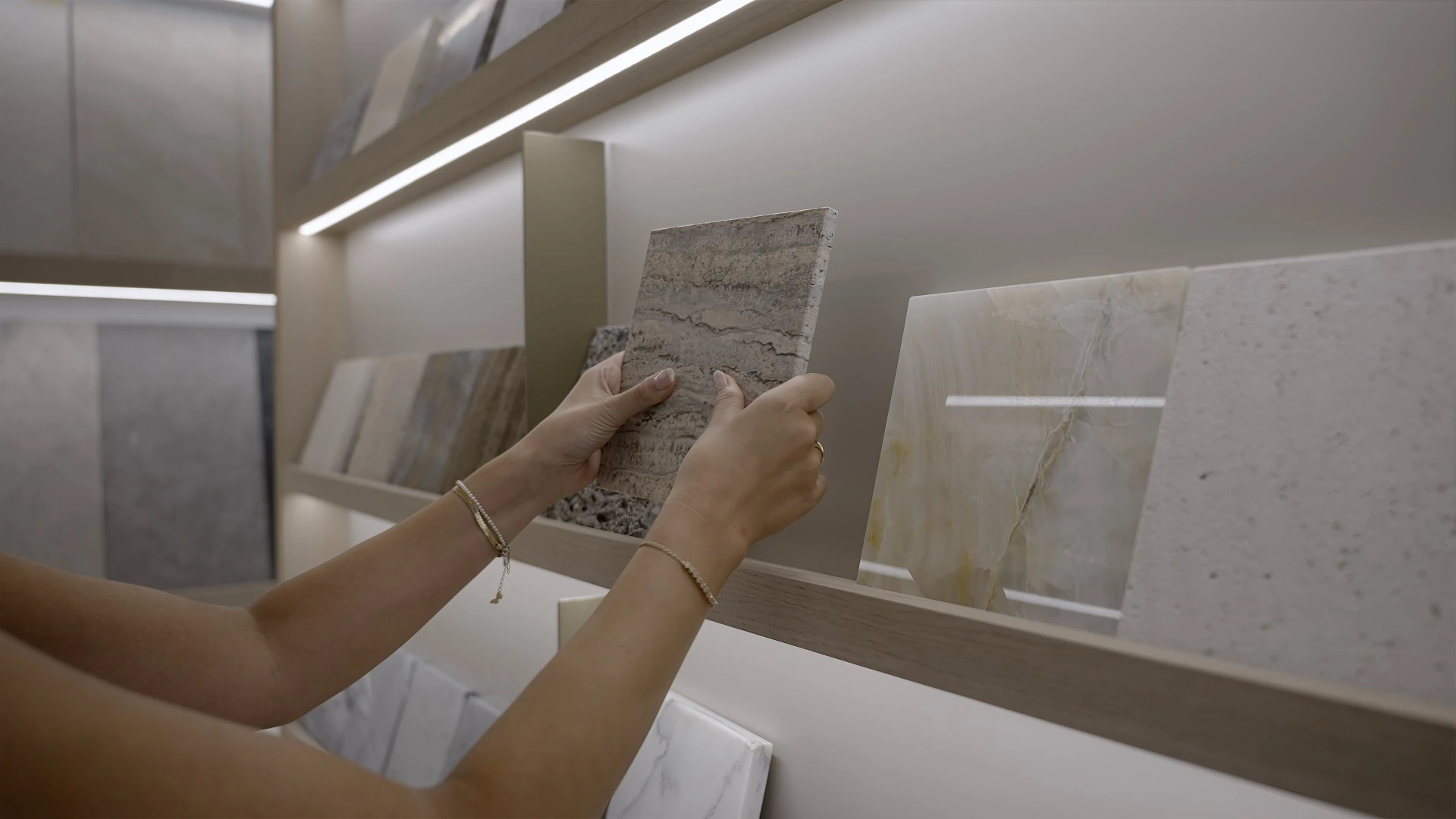
Authenticity Will Be the True Symbol of Exclusivity
We live in an increasingly globalised world, where many experiences, products and even spaces are beginning to resemble one another. Technology makes it easier to reproduce styles and trends. What seems extraordinary today can quickly become commonplace.
That is why I believe authenticity will become increasingly valuable. Especially in luxury residential architecture, where true exclusivity is not simply about owning something that few people can afford, but about experiencing something that cannot be replicated.
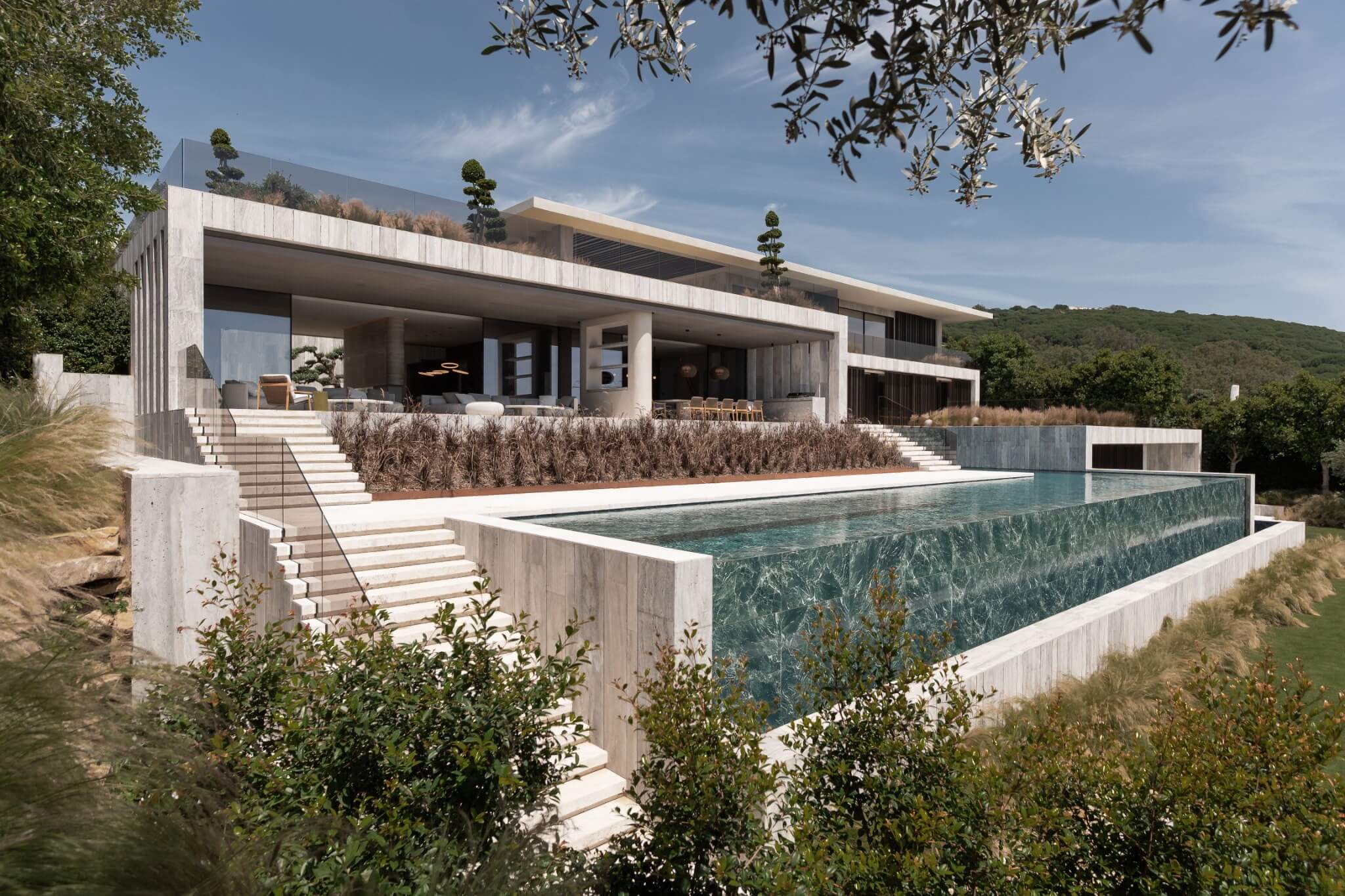
A home conceived for a particular family, within a specific landscape, with an architecture that responds to their culture and way of life. A residence that could not be moved elsewhere without losing part of its meaning.
This idea is particularly important to us because we work across very different cultural and geographical contexts. Architecture rooted in the Mediterranean cannot follow exactly the same principles as a residence in the Middle East, even when both share the same philosophy.
Light, climate, materials and culture must all play a part in the creative process. Artificial intelligence can help us analyse these differences, but it is our sensitivity that must interpret them.
I do not believe in an international architecture that reproduces the same image everywhere in the world. I believe in architecture that can remain true to its values while belonging deeply to the place in which it is built.
True exclusivity is not about creating something no one has ever seen before, but about creating something that could only exist in that place, for those people.
Rediscovering the Value of Time
There is another dimension of craftsmanship that I find especially meaningful: its relationship with time. A handmade object embodies the hours of work, decisions and experience of the person who created it. In a sense, it carries part of its own history.
Architecture should aspire to that same depth. In a society that constantly urges us to accelerate, perhaps one of the greatest luxuries is the freedom to slow down.
Enjoying the morning light. Feeling the texture of materials. Listening to silence. Contemplating a garden as it changes with the seasons. Architecture has the power to create the conditions for all of this to happen.
Technology should allow us to live better, not force us to live faster. If we can use artificial intelligence to simplify processes and improve our decisions, we can devote more attention to people, nature, materials and the quality of our spaces.
Because a work of architecture should not be measured only by how long it takes to build, but also by how long it can retain its meaning.
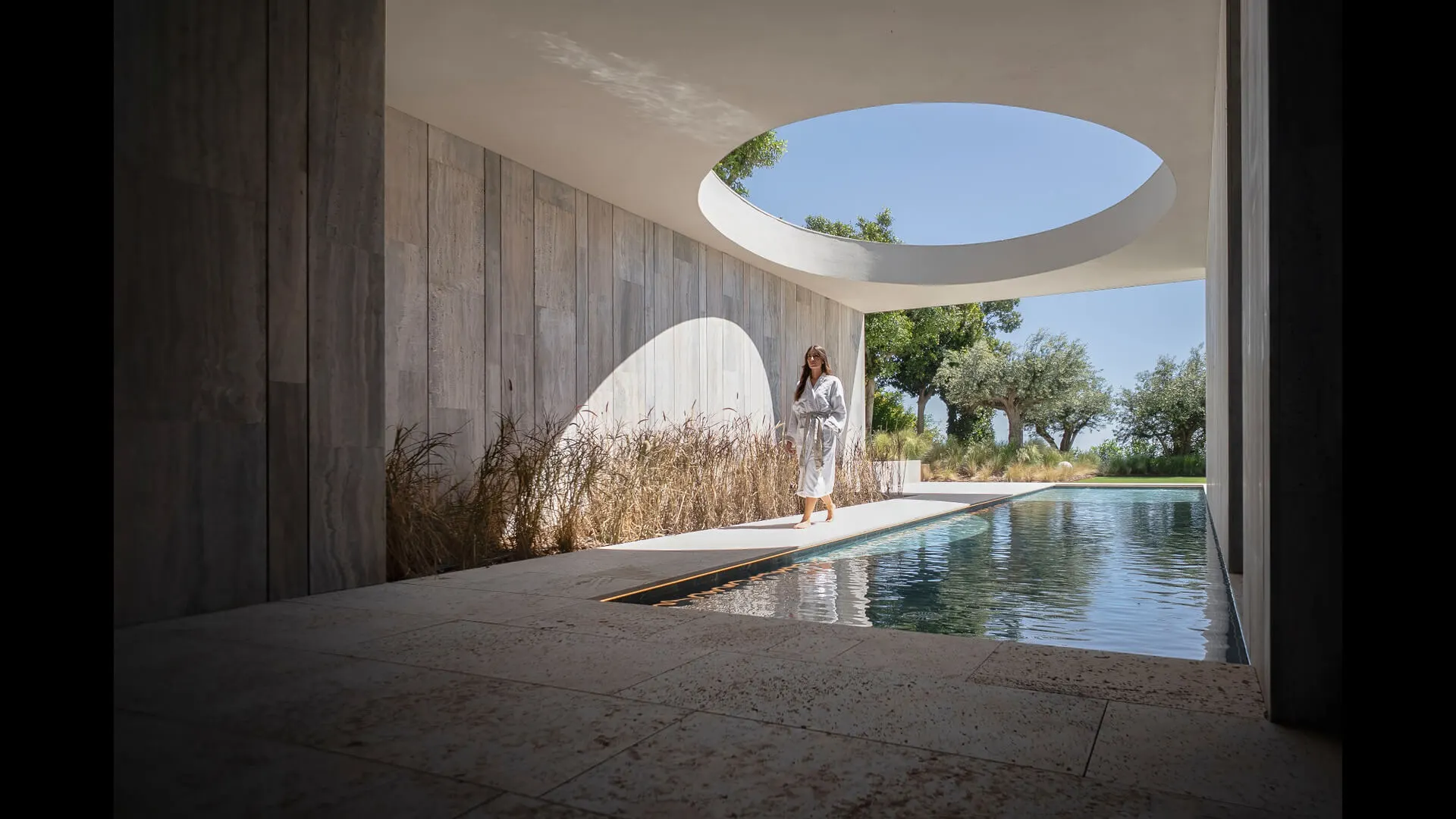
The Future Will Be Technological. But Its Essence Must Remain Human.
I have no doubt that artificial intelligence will profoundly transform architecture. It will change the way we design, research, build and engage with knowledge. We should embrace these possibilities with curiosity, responsibility and ambition.
But I also believe this revolution will compel us to define more clearly what no technology should ever replace.
Intuition. Sensitivity. Experience. Creativity. The ability to understand another person. Knowledge of materials. And that quiet intelligence found in the hands of people who have spent a lifetime perfecting their craft.
It is not a question of choosing between artificial intelligence and artisanal intelligence. It is about ensuring that the former helps to preserve, strengthen and open new possibilities for the latter.
Perhaps true innovation is not about getting machines to do everything we do, but about using them to help us do better what makes us human.
Because the more artificial the world becomes, the more human our architecture must be.
Manuel Ruiz Moriche
Co-founder and Creative Director of ARK Architects