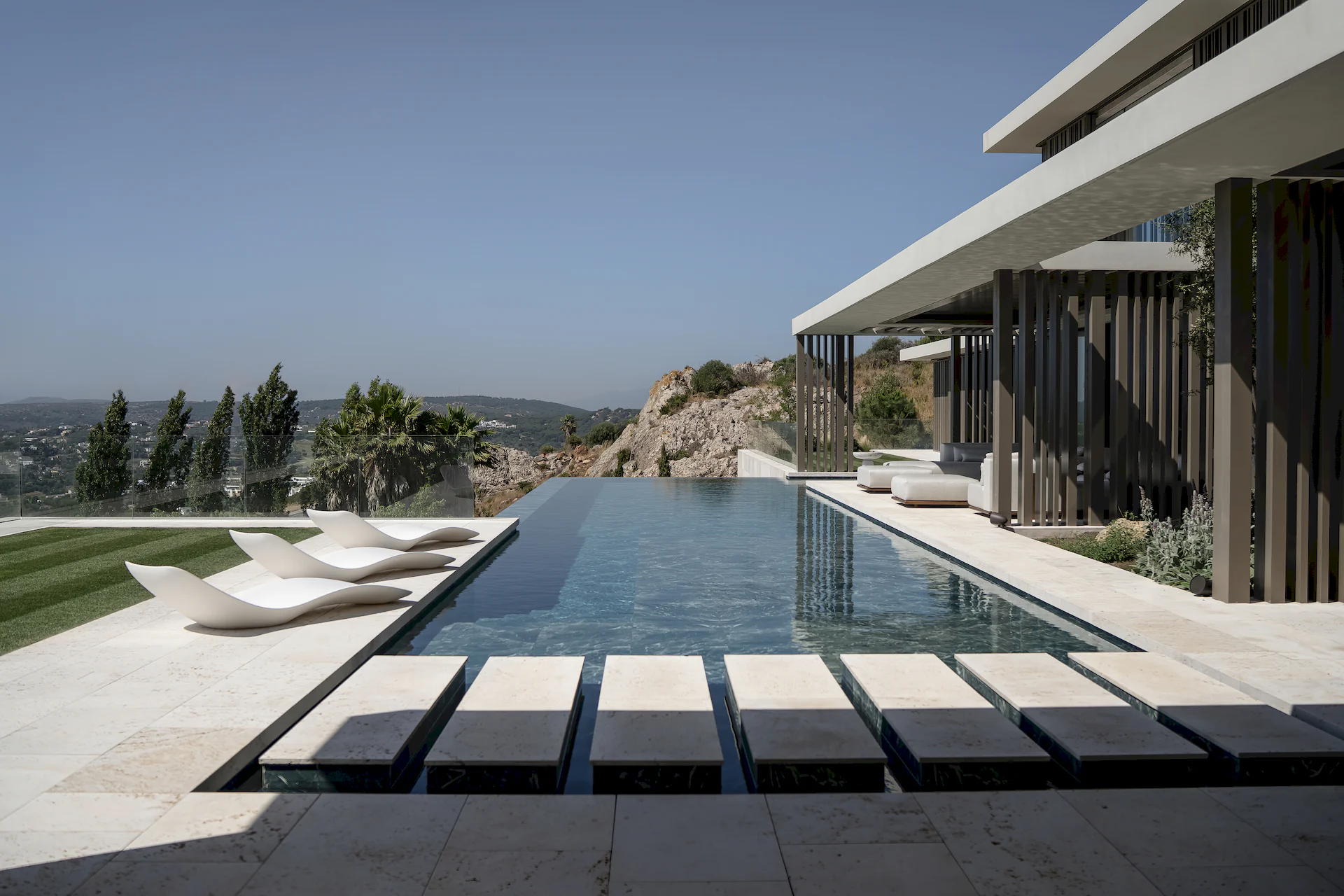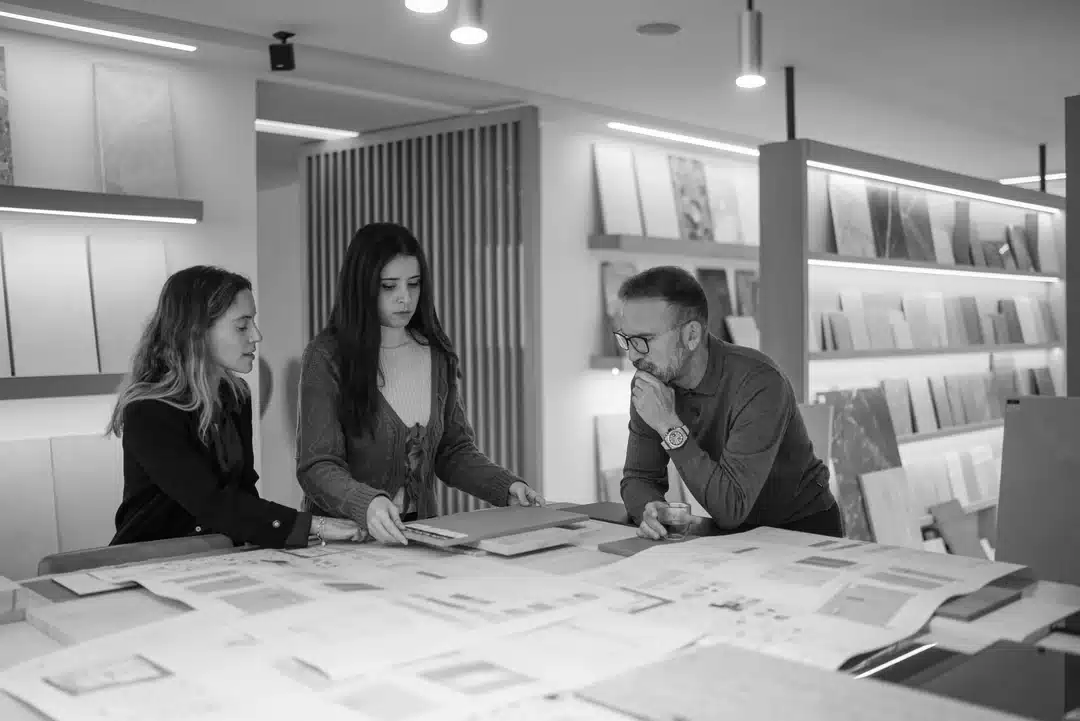
At ARK Architects, we conceive architecture as a total sensory experience—where light is not an accessory but a structural, almost physical element that defines and gives meaning to space. As our co-founder and creative director, Manuel Ruiz Moriche, puts it: “Architecture does not exist without space, and that space does not truly become architecture until light materializes it.”
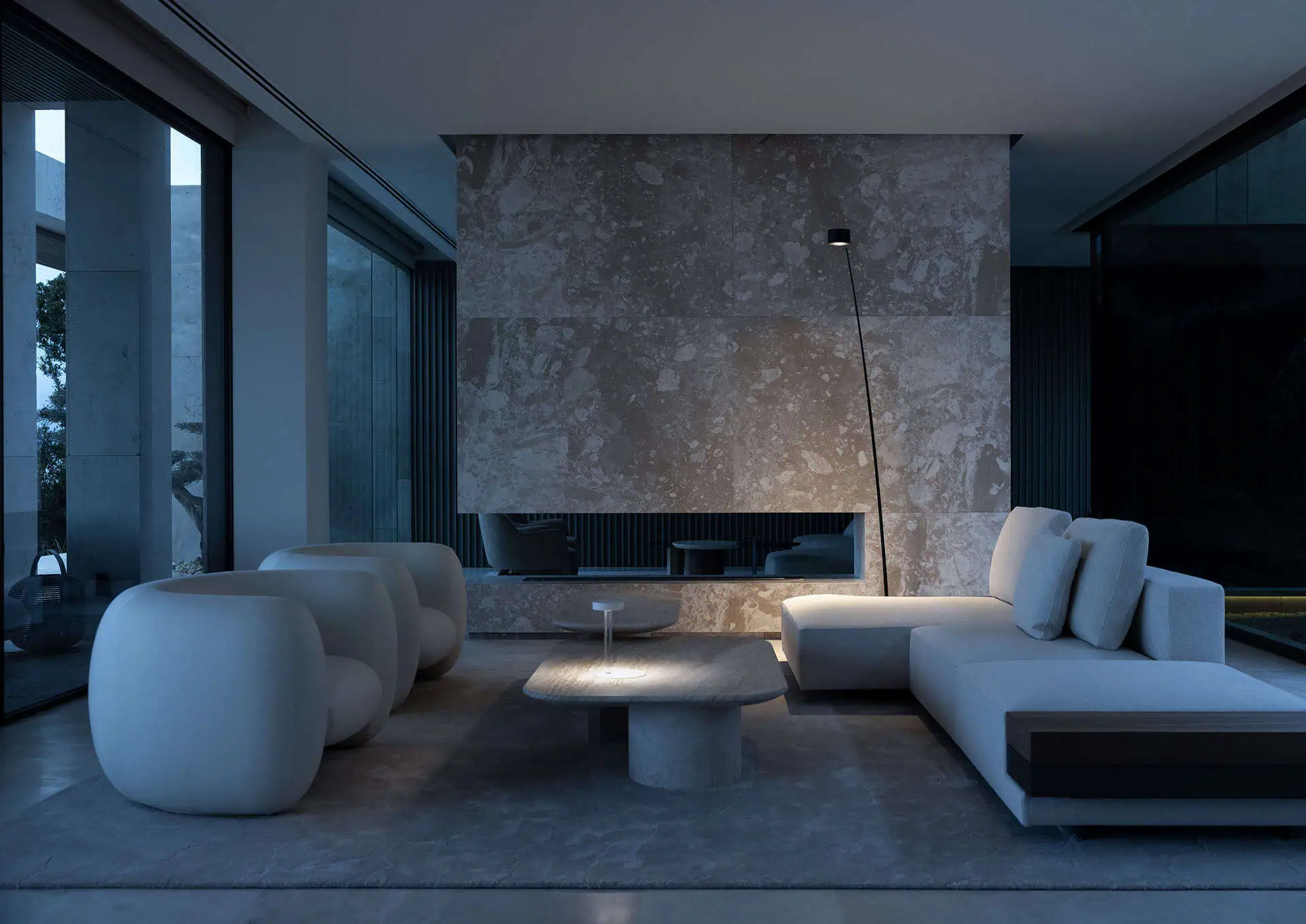
Natural light, with its shifting nuances and its ability to transform environments throughout the day, has always been a source of inspiration in our projects. But what happens when the sun sets? How do we ensure that architecture continues to “exist” with the same emotional depth and presence?
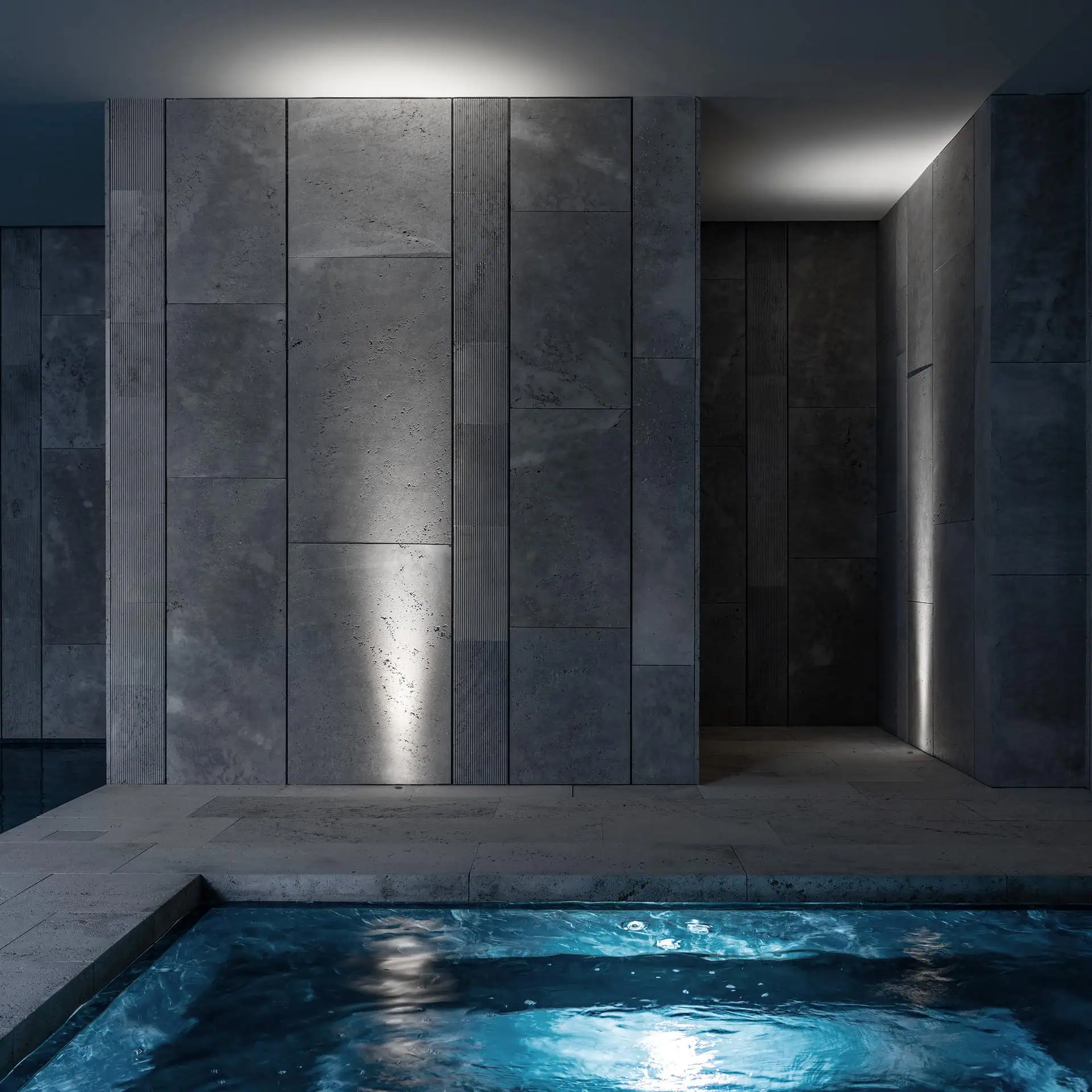
That is where artificial light becomes essential. At ARK, we don’t view artificial light as merely a technical tool—it is an extension of our spatial narrative. We strive for artificial light to evoke atmospheres, sensations, and moods that keep the architecture alive beyond daylight hours.
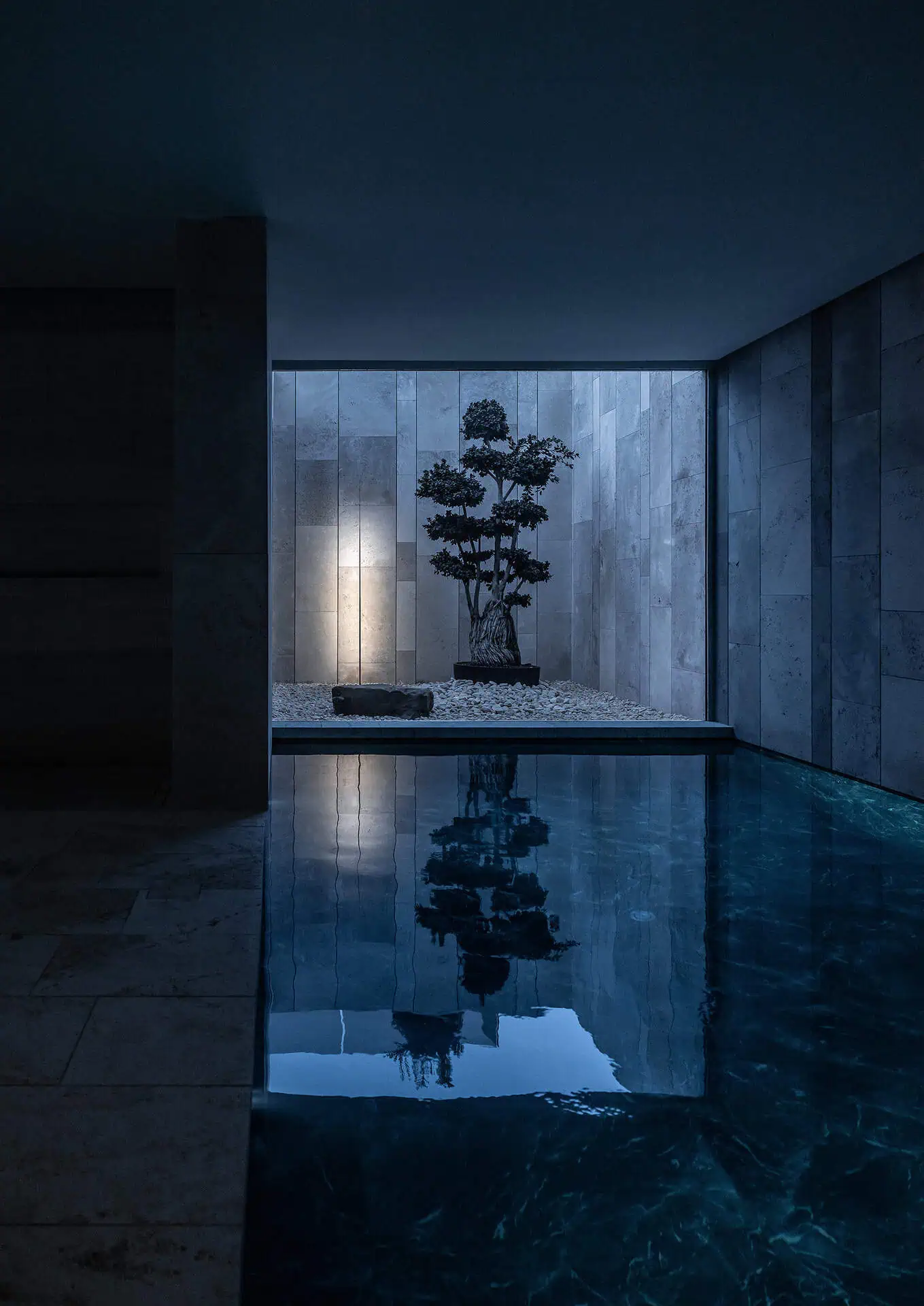
To achieve this, we collaborate with experts who approach light from a sensitive and artistic perspective. One such collaborator is Davide Groppi, the acclaimed Italian lighting designer whose creations go far beyond the technical. His poetic, minimalist approach allows us to work with artificial light in much the same way as with natural light: shaping it, sculpting it, directing it, and crafting emotional spaces.
His luminaires, offering various beam angles, color temperatures, and luminous qualities, give us the tools we need to continue the architectural story even in darkness. It’s not just about lighting—it’s about creating atmosphere. About allowing the building to keep speaking even after the sun has gone.
A clear example of this synergy can be found in the Villa TAI project, where the collaboration with Davide Groppi helped us reach that threshold where artificial light seamlessly extends the architectural experience with the same subtlety and depth as natural light.
“We seek to make light exist even after the sun has set, creating atmospheres that bring architecture back to life.”
Because at ARK, light is not an addition. It is architectural matter.