In a world where luxury is often measured by ostentation, visible logos, and buildings that demand all eyes, there exists another way to understand it: a luxury that doesn’t impose, that doesn’t shout, that doesn’t need to be admired to exist. It is a luxury that manifests in the soft light entering through a window, in the choice of materials that harmonize with the surroundings, in the way a building respects and complements the landscape. This is “silent luxury”: an approach that, far from trends and spectacle, values discretion, harmony, and contemplation.
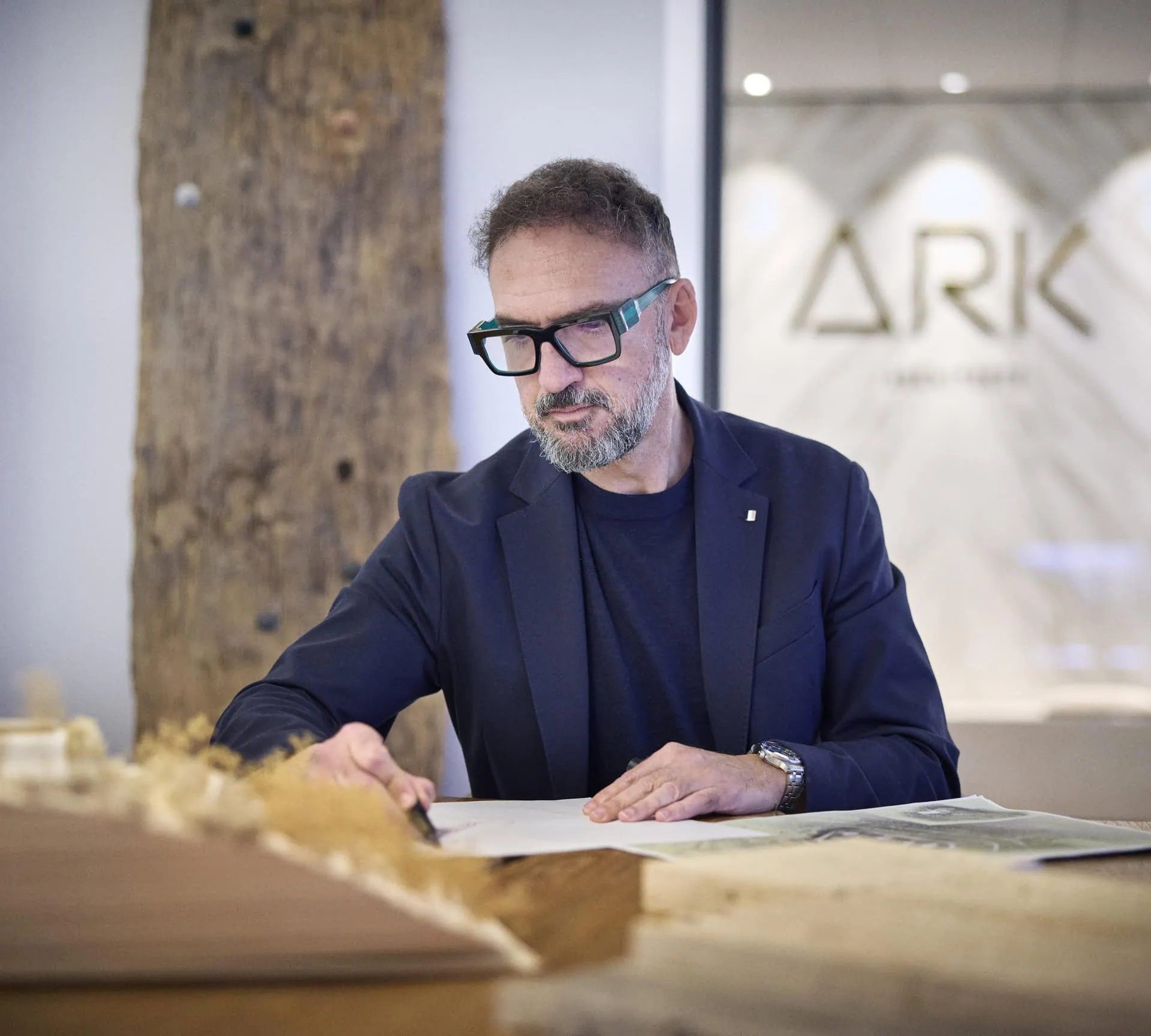
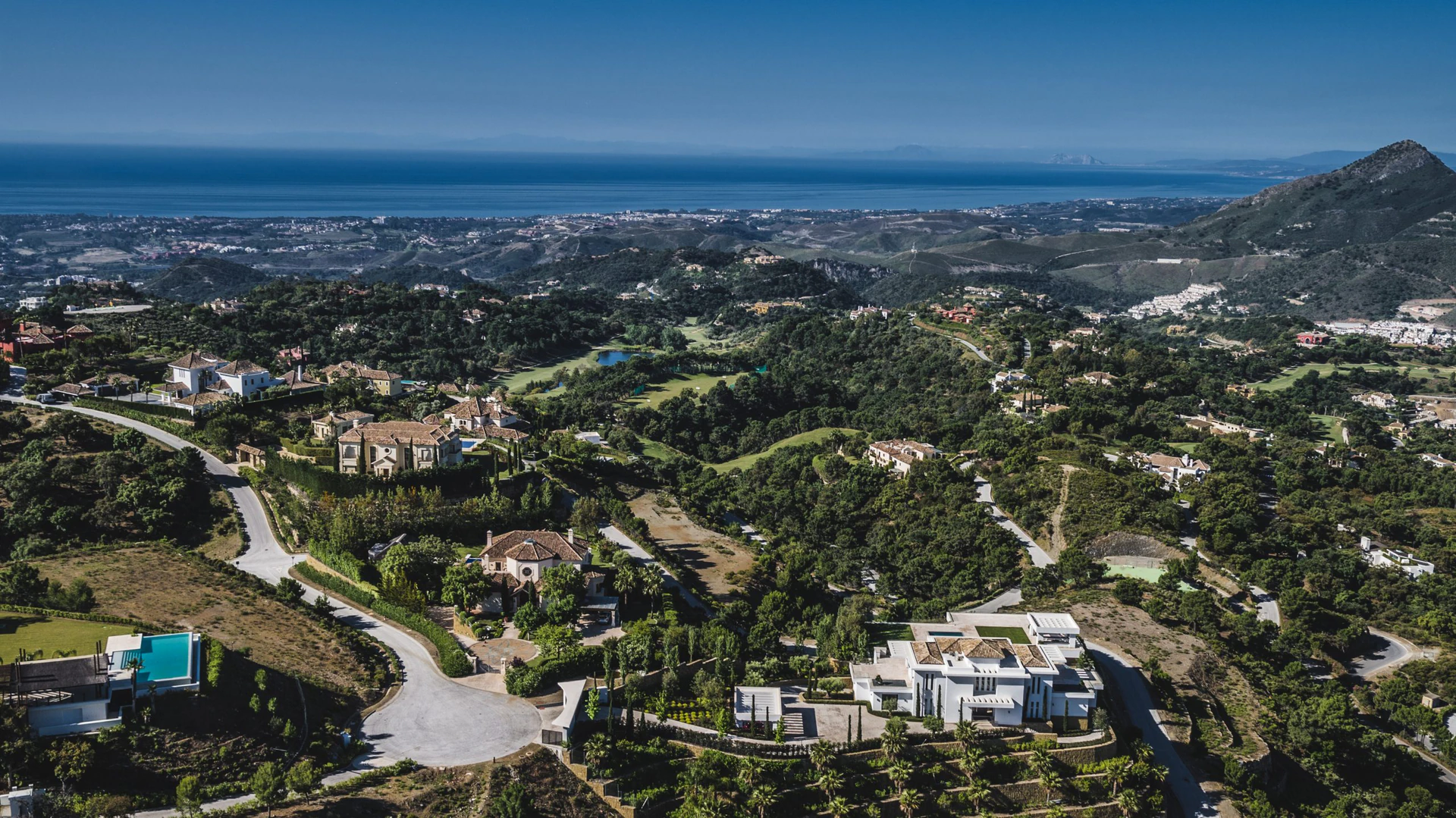
For Manuel Ruiz Moriche, creative director and co-founder of ARK Architects, this idea is not a passing trend but a core principle in their approach to architecture. According to Moriche, “it is an architecture that tries almost to disappear, that gives all the protagonism to the place, becoming a frame for its surroundings.” Their projects do not seek to dominate nature or become scenic protagonists; instead, they integrate, converse with the landscape, and enhance the beauty of the site, as if the buildings themselves wanted to remain almost invisible so that the environment could shine.
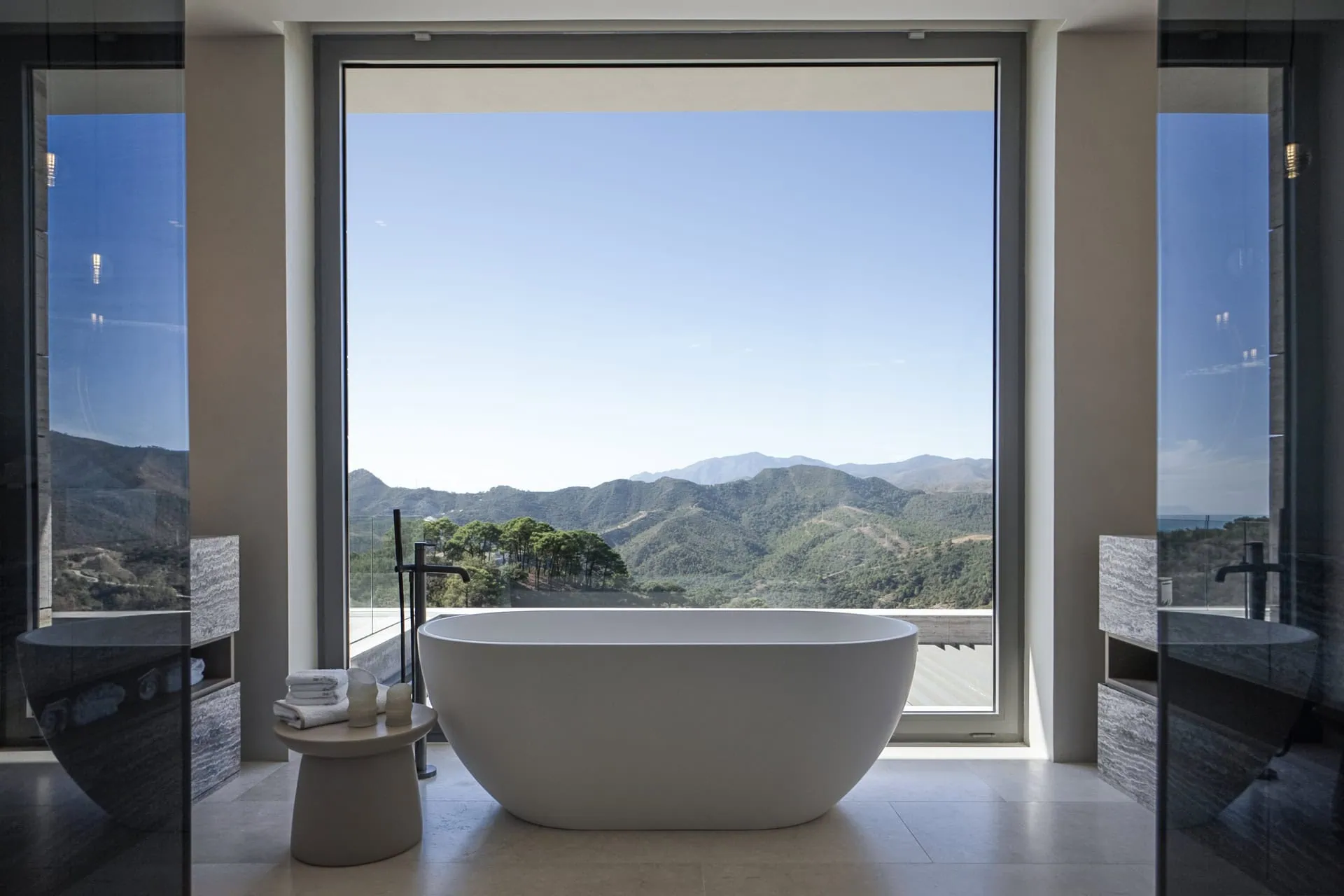
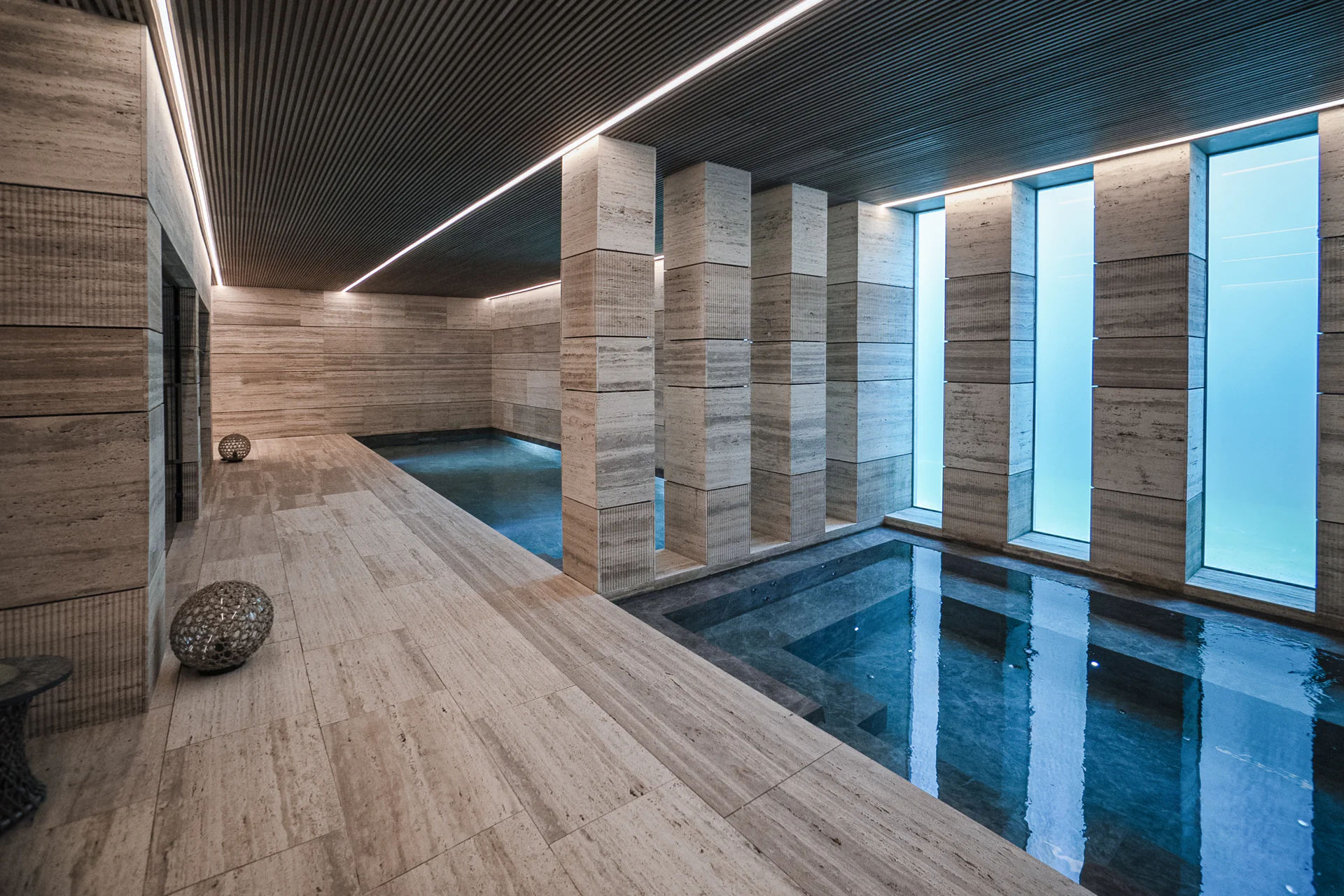
Although many of their homes are categorized as luxury, Moriche emphasizes that their definition of luxury has nothing to do with showiness. “Luxury is in the connection with nature, in respect for the surroundings, in the ability to capture the light of a place and express it through architecture,” he explains. Every detail, material choice, and design gesture seeks this silent harmony that allows architecture to breathe with its landscape rather than impose upon it.
The difference with “loud” luxury is clear. While the latter becomes the absolute protagonist, imposing itself over the grandeur of nature and flaunting wealth or power, silent luxury settles humbly, politely yielding the spotlight to the place. It is a luxury that whispers, invites contemplation, and finds its greatness in discretion, calm, and sensitivity to the environment. For ARK, this philosophy is not just a design style: it is a way of understanding architecture and its relationship with the world—a commitment to the place that transcends passing trends.