Wellbeing is no longer understood as something occasional.
Not as a pause.
Not as an indulgence.
Today, we speak about longevity: how we live, how we care for body and mind, and how the spaces we inhabit influence our quality of life over time.
At a moment when time has become the ultimate value, architecture moves beyond function or aesthetics and begins to address a deeper question:
how can a home support us better throughout the different stages of life?
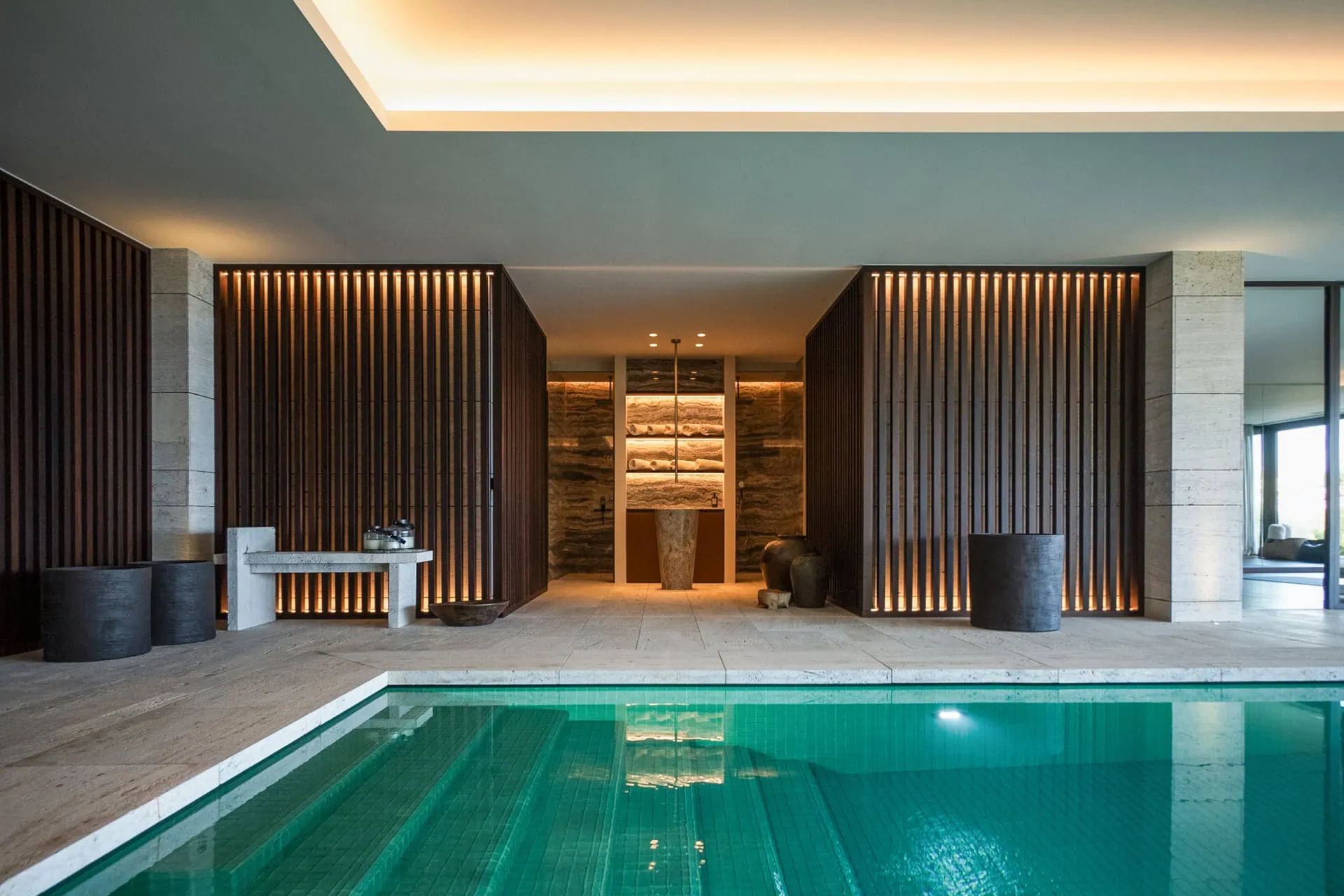
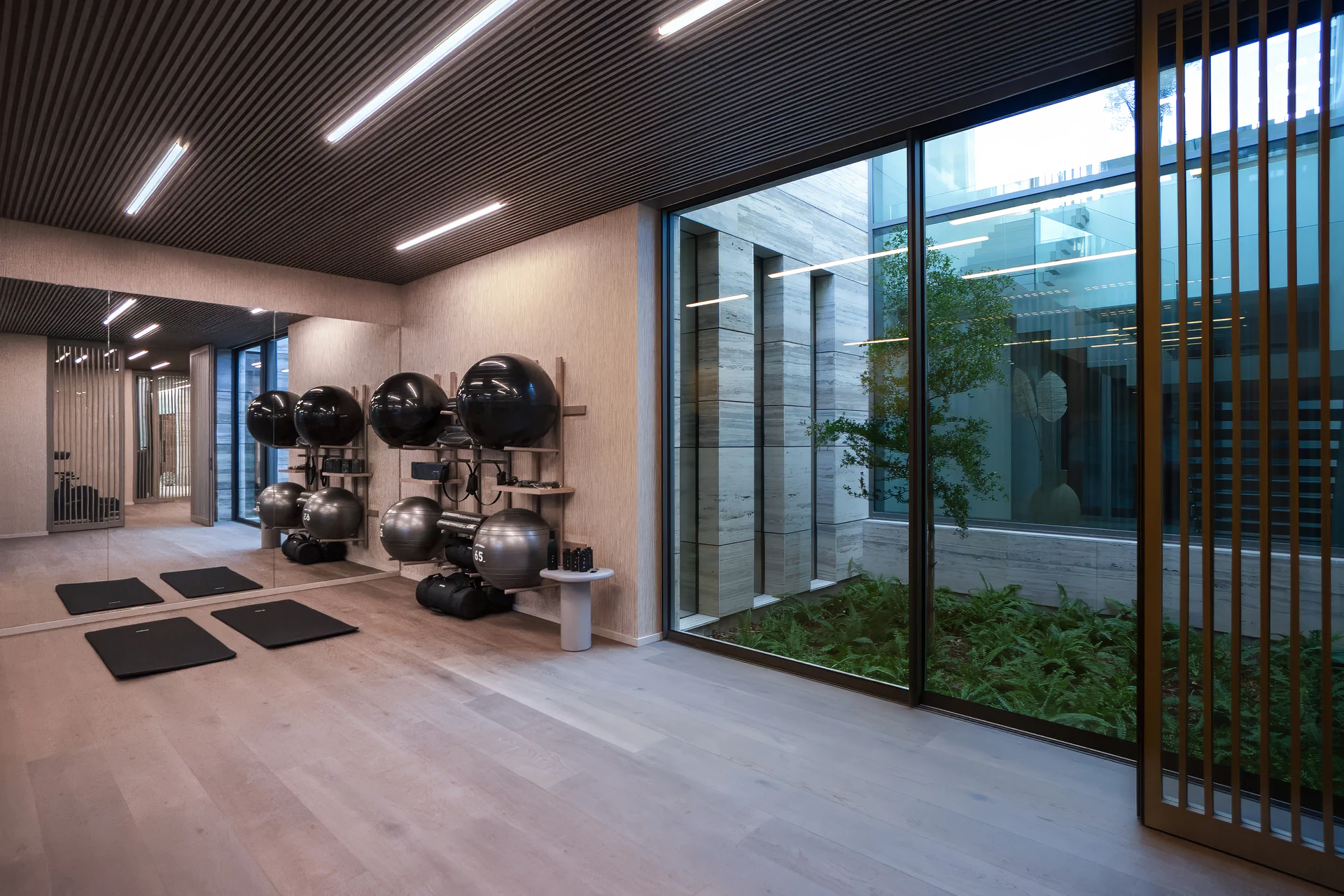
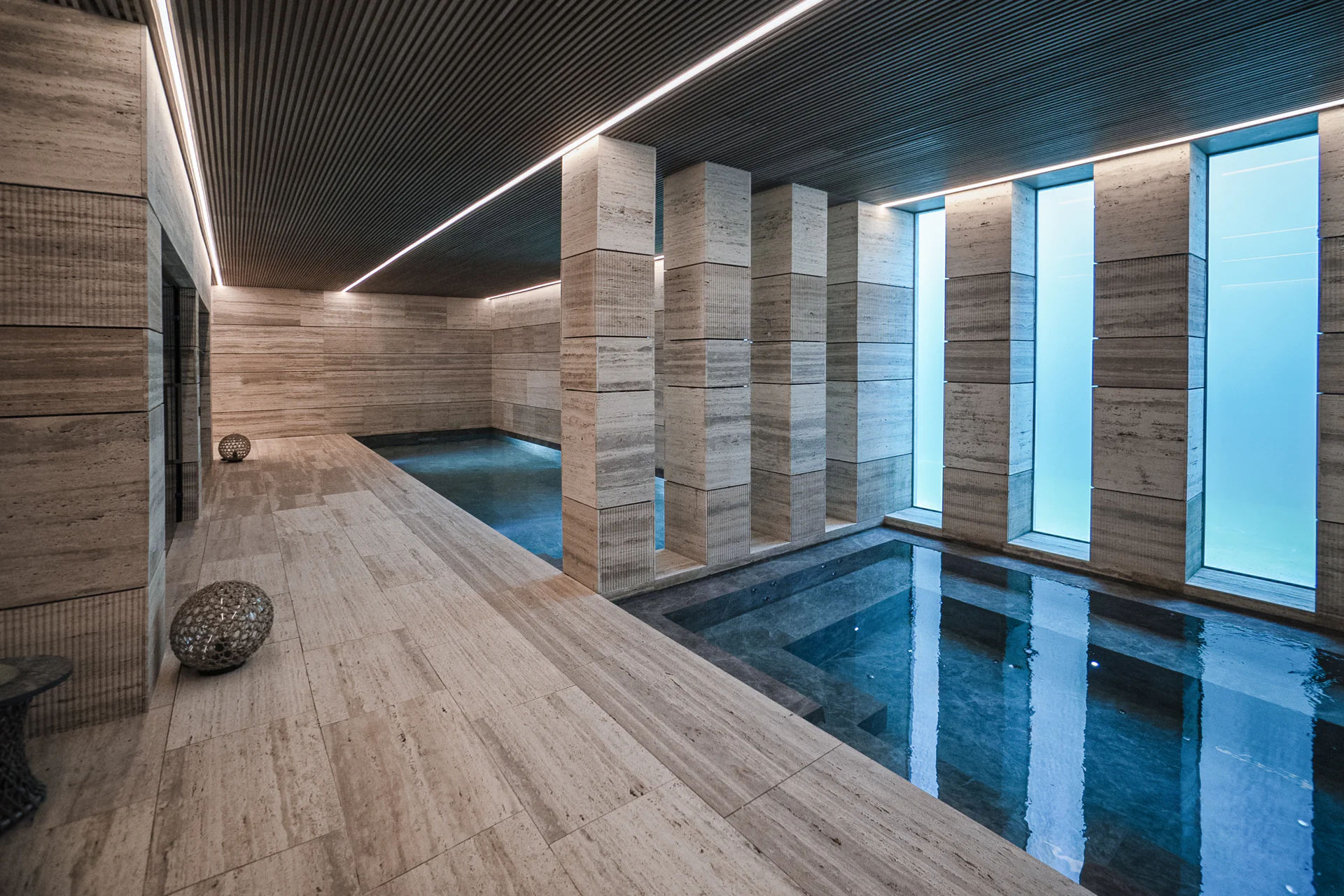
This vision guides the work of ARK Architects and its creative director and co-founder, Manuel Ruiz Moriche, for whom residential architecture should actively contribute to a more balanced, conscious and enduring way of living. In ARK’s projects, elements such as private gyms, saunas, heated indoor pools or massage rooms are conceived not as amenities, but as domestic infrastructures designed to sustain healthy habits over time.
Designing for continuity
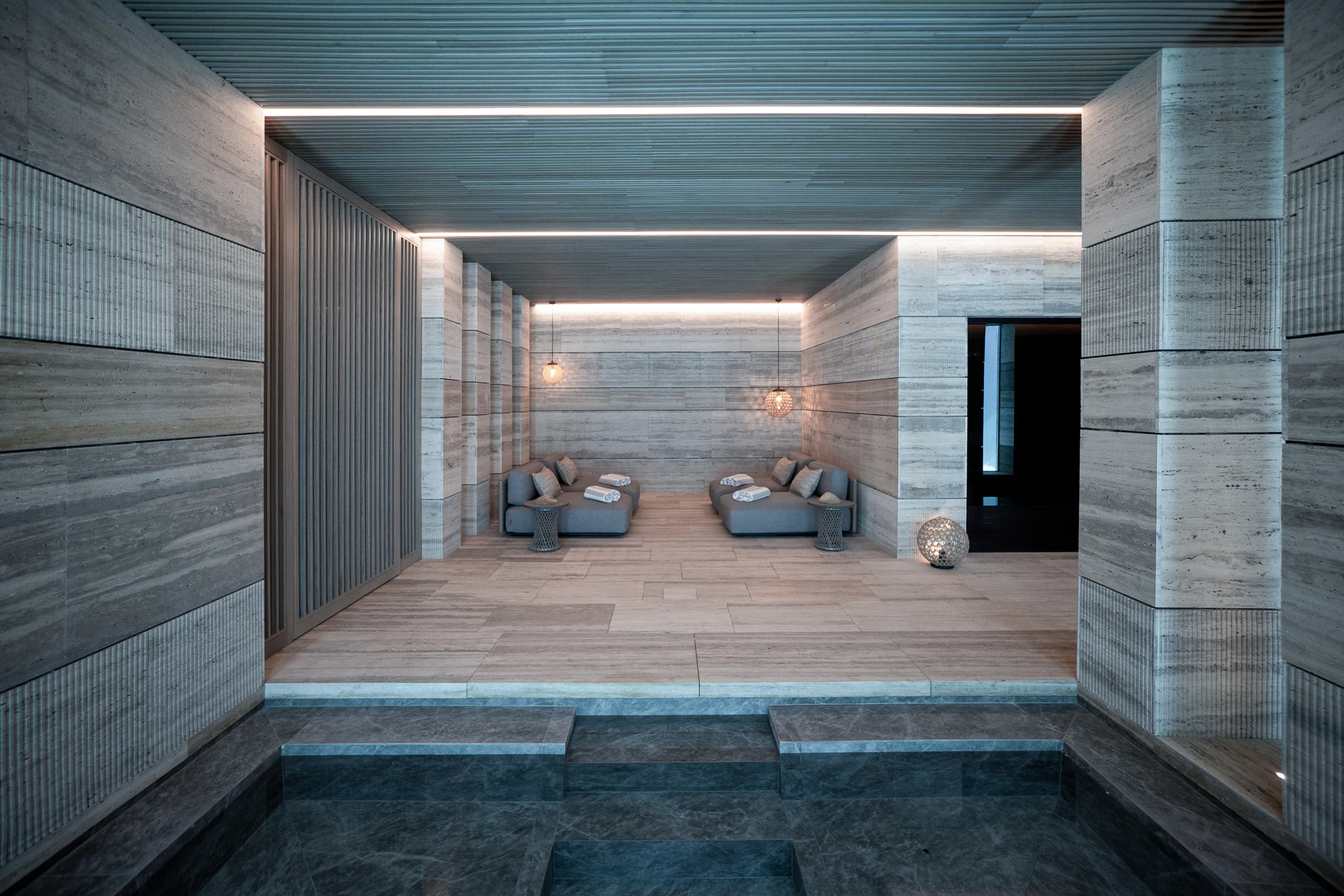
Longevity is not about stopping time, but about designing for continuity. Spaces that encourage movement, physical recovery, mental clarity and deep rest, naturally integrated into the home and in direct dialogue with light, landscape and the outdoors.
This approach avoids turning the home into a clinical environment. Instead, it relies on architecture to quietly support balance, without imposing itself.
The value of recovery
In this way of living, recovery is no longer linked to performance, but becomes an essential part of everyday life. The conscious use of heat, water and movement allows the body to reset, reduce stress and maintain energy over the long term.
Architecture acts as a mediator here: organising space, regulating rhythms and creating the conditions for personal care to become effortless and habitual.
A new definition of luxury
Contemporary luxury is no longer defined by accumulation, but by the quality of everyday experience. Time, mental clarity and spaces that evolve gracefully over the years have become the true privileges.
Longevity emerges as a new language of residential luxury: quieter, more intentional and deeply connected to the way we inhabit our homes.
Architecture designed to last
Longevity is not a trend, but a cultural shift. A more mature way of understanding the home, where design is not meant to impress, but to endure.
Designing for longevity ultimately means creating homes that grow with the people who live in them — and that become more valuable with time.